Description
Highlights of the AMANA Front Load Electric Dryer
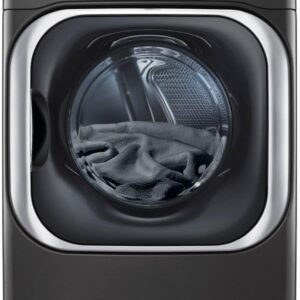
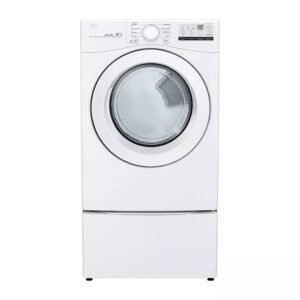
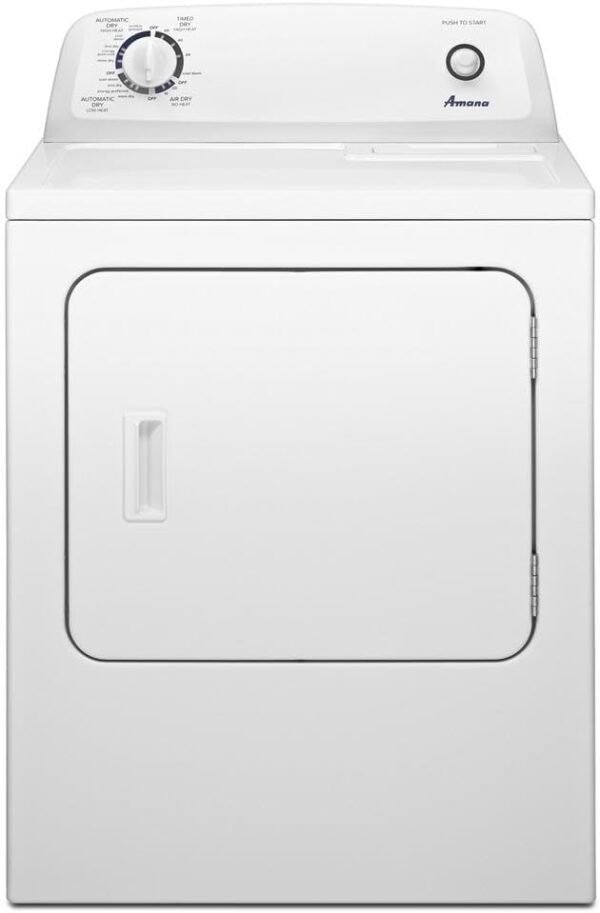
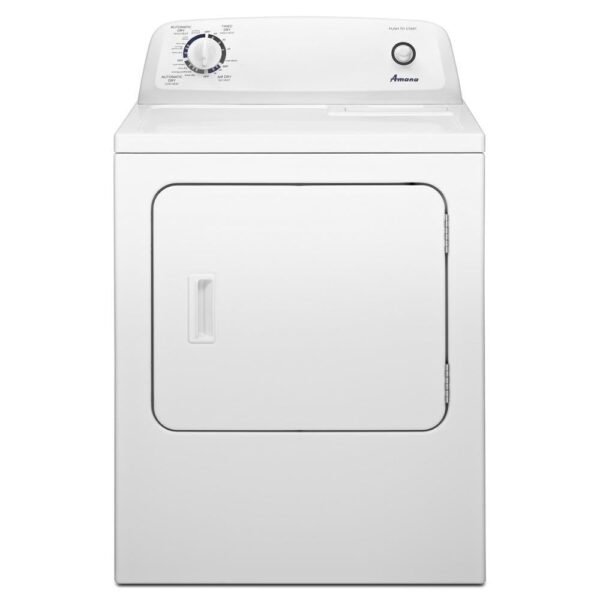
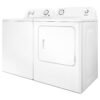
The AMANA NED4655EW 6.5 Cu. Ft. Front Load Electric Dryer surprised me with its straightforward operation and substantial drying capacity. Designed with 11 drying cycles, it covers everything from delicate fabrics to bulky items, which makes juggling laundry loads less of a headache. I found the reversible door hinges particularly useful since it allowed me to install the dryer in tight spaces without awkward door swings. The white finish offers a clean, classic look that blends seamlessly into most laundry rooms. Another strong point is its ADA certification, which impressed me because it means the appliance is accessible and user-friendly for people with disabilities—a thoughtful touch not always found in this price range.
Drawbacks That May Affect Your Experience
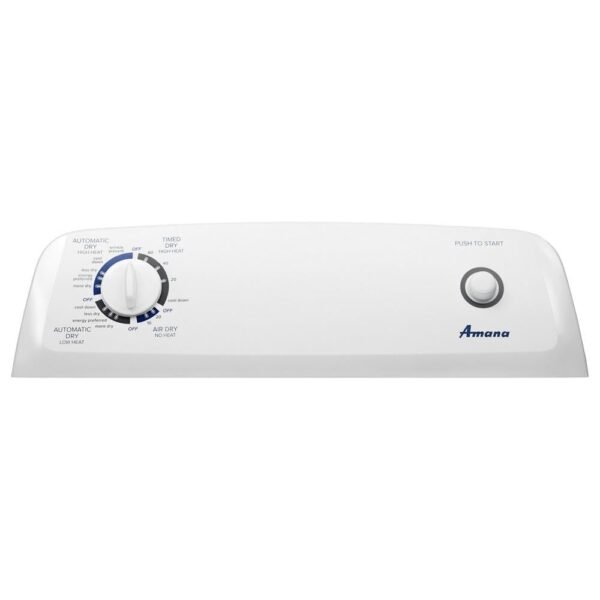
Despite its strengths, the dryer isn’t without flaws. One of the less favorable aspects I noticed is the weight, tipping the scales at 125 pounds, making it a challenge to move or install without help. Also, while the front load design is sleek, the lack of advanced moisture sensors means sometimes the dryer can over-dry smaller loads, resulting in wasted energy. The material type, mainly aluminum, feels a bit less sturdy compared to stainless steel models I’ve used before, which leaves me wondering about its long-term durability. The control panel is simple but lacks intuitive digital feedback, which may frustrate users who prefer more tech-savvy appliances.
User-Friendly Features and Performance
I appreciated how the 11 standard cycles cater to various fabric types and drying needs. From heavy-duty jeans to delicate sweaters, the dryer handles each with care, avoiding excessive wear on clothes. The electric fuel type ensures consistent heat distribution, which is crucial for thorough drying. My family, especially my kids, found the easy-to-use controls straightforward, reducing the usual complaints about complicated settings. The access location at the front means loading and unloading laundry is less taxing on the back—a subtle but appreciated ergonomic feature. Despite being a basic model, it delivers reliable performance without the fuss of overly complex technology.
Competitors in the Laundry Appliance Market
Comparing this dryer to some popular competitors like Whirlpool and LG models, the AMANA stands out with its value proposition—it offers a decent capacity and multiple cycles at a more affordable price. However, it falls short in advanced drying technology; competitors include moisture sensors and steam cycles that prevent over-drying and wrinkles. Whirlpool’s models, for instance, tend to be quieter and offer better energy efficiency. LG dryers often come with smart connectivity, which the AMANA lacks entirely. Yet, for those who want a straightforward, no-nonsense dryer without breaking the bank, this model holds its own, especially for families who prioritize durability and simplicity over bells and whistles.
Price to Quality Ratio: Is It Worth It?
Examining the price to quality ratio, this dryer offers solid bang for the buck. It doesn’t have the highest-end features, but it delivers on the core function: drying clothes reliably. Its 6.5 cubic feet capacity is generous enough for large household loads, and the built-in 11 drying cycles provide versatility that you wouldn’t expect at this price point. I found that investing in this dryer feels reasonable if you are looking for dependable performance without the need for premium smart features or ultra-quiet operation. If budget constraints are a concern, this model provides affordable quality with a focus on practicality.
Versatility and Convenience: More Than Just Drying Clothes
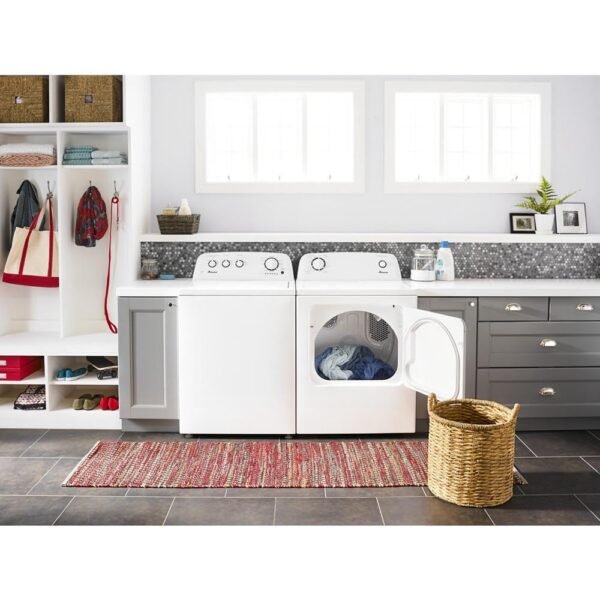
Another good aspect is the dryer’s adaptability. The reversible door allows you to customize installation based on your laundry room layout, which I found invaluable in my small apartment. The front load access makes it easier for people with mobility challenges to use without bending excessively. I also like that it comes with appliance replacement parts, making repairs or maintenance less of a hassle down the line. While it doesn’t have wireless connectivity or app controls, its straightforward interface means anyone can operate it without a manual, which is a win for less tech-savvy users.
Areas for Improvement to Consider
This dryer has a few pitfalls worth mentioning. Its lack of moisture sensors means you might need to monitor drying cycles manually to avoid overdrying or underdrying. The aluminum construction, while lightweight, might not stand up as well to heavy use compared to stainless steel options. Also, the absence of drying rack or steam cycle options limits its functionality for delicate items or wrinkle reduction. Energy efficiency ratings aren’t the best in its class, so expect higher electricity bills compared to newer, more efficient models. Lastly, the dryer’s noise level was noticeable during operation, which could be a downside in open-concept living spaces.
Key Benefits Summarized
- Generous 6.5 cubic feet capacity perfect for family-sized laundry loads
- 11 drying cycles providing versatility for different fabric types
- Reversible door hinges for flexible installation options
- ADA certification ensures accessibility and ease of use
- Simple controls that anyone can understand without fuss
Drawbacks Highlighted
- Heavy weight (125 pounds) complicates installation and movement
- No moisture sensor technology leads to occasional overdrying
- Aluminum build feels less durable compared to premium materials
- Lacks advanced features like steam cycles or smart connectivity
- Noticeable noise during operation might disturb quiet households
The AMANA front load dryer offers practical benefits for those who value straightforward performance and accessibility. While it doesn’t boast the latest tech or the quietest operation, its multiple drying cycles and generous capacity make it a dependable choice for everyday laundry needs. The reversible door and ADA certification add layers of convenience that many other models overlook, even if it stumbles a bit on features and noise. This product fits well in households looking for durability and ease of use without a premium price tag.