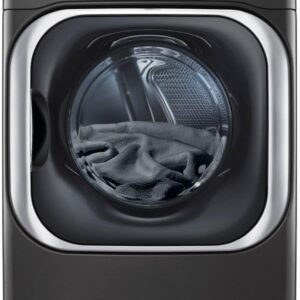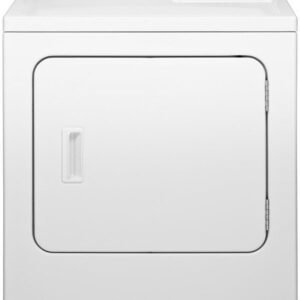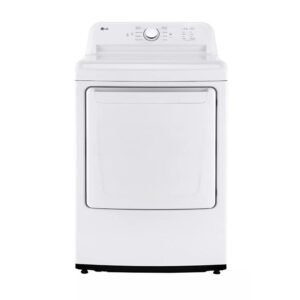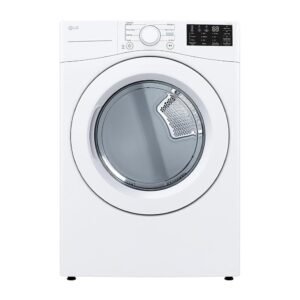


Description
Strengths of the Bosch 300 Series 24-Inch Condensation Dryer
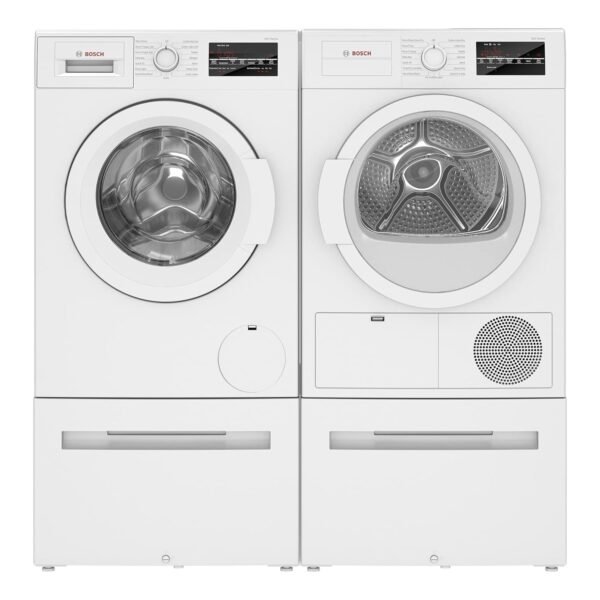
Testing the Bosch 300 Series 24-Inch Condensation Dryer, model WTG86403UC, gave me a solid understanding of what this compact laundry companion offers. The 4.4 cubic feet capacity surprised me with how much it could handle despite its relatively small size. This front-load dryer features 15 drying cycles and 4 temperature settings, which means I could tailor the drying process to everything from delicate fabrics to bulky towels. The Wi-Fi enabled smart controls were a nice touch, allowing me to monitor and control the dryer remotely—a real convenience on busy days when laundry waits but my schedule doesn’t.
Here are a few key benefits I noticed:
- Energy Star certification ensures efficient energy use, which helps keep electricity bills in check.
- The condensation drying technology means I didn’t have to worry about venting, making it ideal for apartments or places without external vents.
- A quiet operation at around 67 dB lets me run loads without turning the laundry room into a noisy zone.
- The ADA certification indicates accessibility features, which is a plus for users with mobility considerations.
Limitations to Keep in Mind
Despite the positive aspects, I encountered a few drawbacks worth mentioning. The drying time felt longer compared to some traditional vented dryers I’ve used. While the condensation system is handy, it doesn’t always dry clothes as quickly as vented models, which might frustrate those in a rush. Also, the white finish, while clean and classic, showed smudges and fingerprints faster than expected, requiring regular wiping to keep it looking pristine.
Here are some negative points I observed:
- Longer cycle durations for certain fabric types.
- The water reservoir for condensation needs frequent emptying, which can interrupt laundry workflow.
- At 92.2 pounds, it’s not the lightest unit to move or install, so positioning it requires some muscle.
- Some users might find the interface less intuitive, especially without having the manual handy.
Design and Build Quality
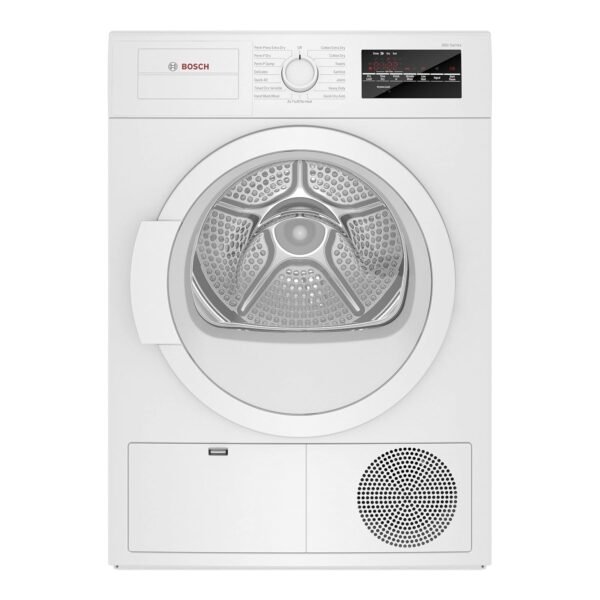
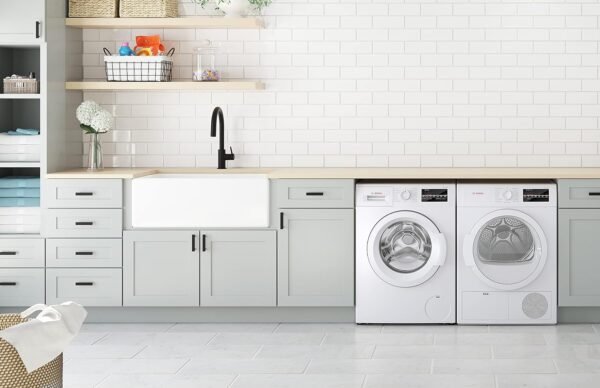
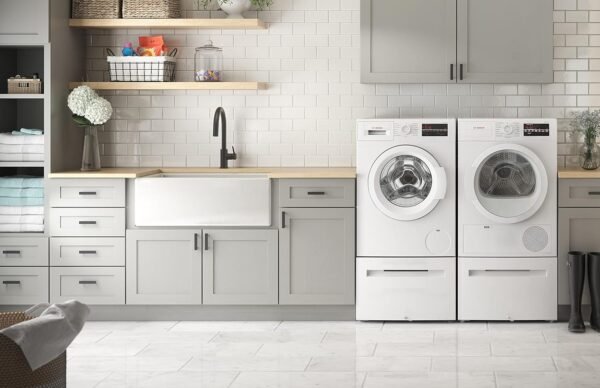
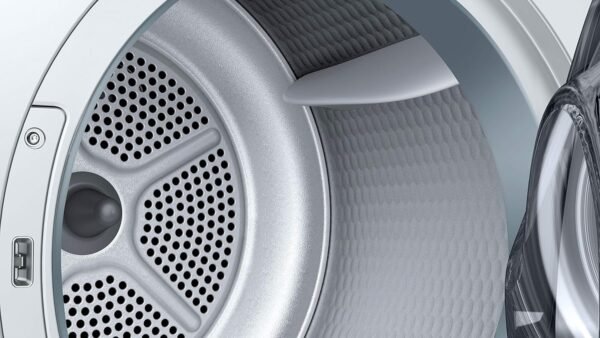
The dryer’s stainless steel drum impressed me with its durability and smooth tumbling action that’s gentle on clothes. Its compact 24-inch width fits perfectly in tight laundry spaces, a major plus for urban apartments or smaller homes. I appreciated the front-load design with a right-hinged door that swings wide, making loading and unloading easy—even when juggling multiple loads with kids underfoot. The white exterior blends well with most laundry room aesthetics, though it’s not the most fingerprint-resistant surface.
Performance and Drying Efficiency
I put all 15 drying cycles to the test, from the quick dry for light loads to the heavy-duty cycle for thick blankets. The varied temperature settings allowed me to customize drying without risking fabric damage. However, drying a full load of heavier fabrics like jeans or towels took noticeably longer than I’m used to with vented dryers. The moisture sensor feature worked well to avoid over-drying, helping preserve my clothes’ lifespan.
Smart Features and Usability
The Wi-Fi connectivity stood out as a modern convenience. I could start, stop, or check cycle progress from my phone, which meant fewer trips to the laundry room. The companion app also sent alerts when cycles finished, which was handy. However, setting up the Wi-Fi took some trial and error, and the app interface isn’t the most user-friendly. Despite this, once connected, the smart features made laundry management smoother.
Price to Quality Ratio
This condensation dryer sits in the mid-to-upper price range, which is justified by its energy efficiency, smart features, and compact design. For those prioritizing energy savings and space, it offers decent value. Yet, if drying speed is a priority, other models might deliver faster results for a similar investment. Overall, the combination of energy-star rated performance and smart home integration makes it a compelling choice for eco-conscious buyers who don’t mind a slightly longer drying cycle.
Product Competitors
Comparing this Bosch model to other compact dryers, like the Whirlpool 24-inch vented dryers or the LG condensation models, sheds light on its market position. The Bosch excels in energy efficiency and smart connectivity, which some competitors lack. However, Whirlpool’s vented models tend to dry clothes faster, making them better for users who value speed. LG offers similar condensation technology but sometimes at a higher noise level. In terms of build, Bosch’s stainless steel drum and ADA certification give it an edge in durability and accessibility.
Positive Features
- Compact size fits tight spaces without sacrificing drying capacity.
- Multiple drying cycles and temperature settings for versatile fabric care.
- Energy-efficient condensation technology reduces utility costs.
- Wi-Fi enabled smart controls offer remote access and cycle alerts.
Drawbacks
- Longer drying times compared to vented dryers.
- Requires manual emptying of the water reservoir regularly.
- Setup of smart features could be more user-friendly.
- Heavier and less portable than some competing models.
Using this dryer, I found it suited a household that values energy savings and smart home integration over rapid drying. My family appreciated the gentle treatment of clothes and the quiet operation, though impatience crept in during longer cycles. For apartment dwellers or those without external venting options, it’s a practical solution. However, those who want quick laundry turnaround might want to weigh other options before deciding.