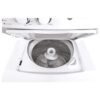
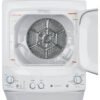
Description
Strengths of the Unitized Spacemaker Washer Dryer Combo
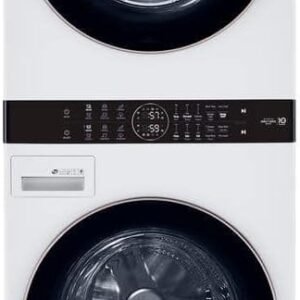
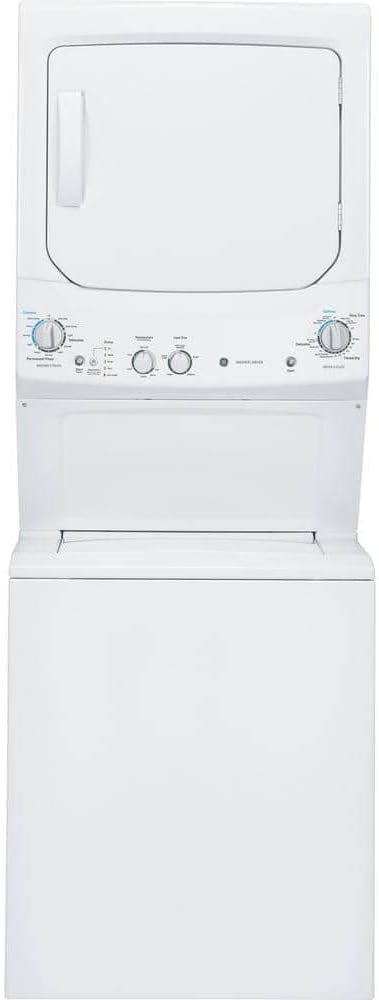
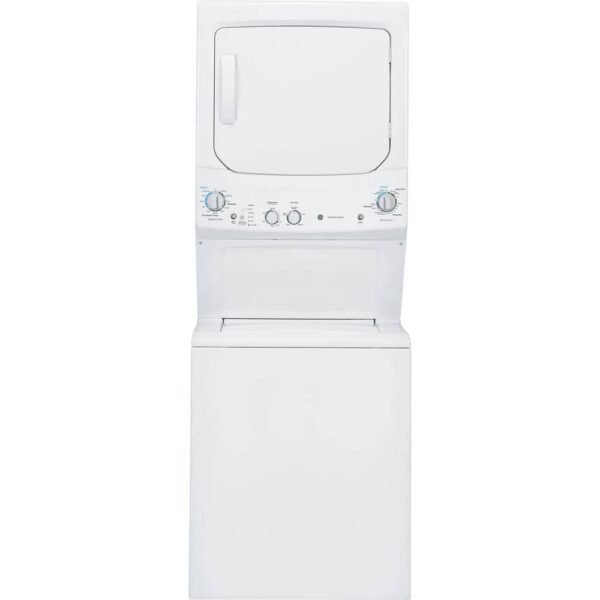
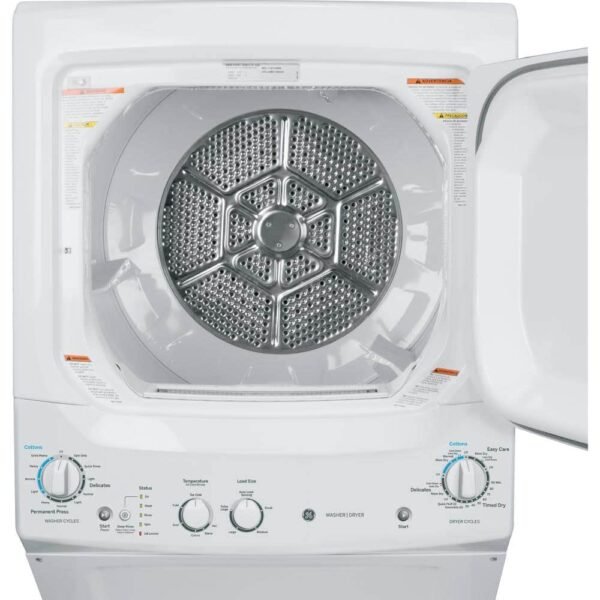
Using the GE GUD27ESSMWW unitized washer and dryer has been an interesting journey. One of the strong points that immediately caught my attention is its compact design. This all-in-one package fits neatly into tight spaces, making it ideal for apartments or homes with limited laundry areas. The space-saving nature doesn’t come at the expense of capacity either; with a 3.8 cu. ft. washer and a 5.9 cu. ft. dryer, it handles loads that are decent-sized enough for regular households without feeling cramped.
The 11 wash cycles are a real boon, catering to everything from delicate fabrics to heavily soiled garments. I found the cycle status lights particularly helpful, offering a clear and straightforward way to check progress without guessing. The sensing washer technology, which automatically measures load size and adjusts water use accordingly, impressed me with its efficiency. It’s a subtle yet significant feature that contributes to water conservation without compromising on cleaning power.
Drawbacks to Keep in Mind
As much as I appreciated the design, there are some drawbacks worth noting. First, the unit’s weight is considerable at 249 pounds, making installation a bit of a challenge, especially if you don’t have professional help. The rotary-electromechanical controls on the dryer, while simple, sometimes felt a bit outdated; I missed having more modern touch controls or digital displays for finer tuning.
Another downside is the noise level during operation. Although not unbearable, the washer can get a bit loud during the spin cycle at its maximum 1200 RPM, which might be a concern for those with open-plan living spaces or light sleepers nearby. Also, I noticed the dryer’s cycle options are somewhat limited, lacking some of the advanced features that newer models boast, such as steam refresh or sensor drying beyond the basics.
User Experience and Family Feedback
My kids found it easy to load and unload, especially appreciating the front-load accessibility and the white finish that keeps the unit looking clean and modern. My spouse liked the up-front lint filter on the dryer, which is easy to access and clean, making maintenance straightforward. However, my teenage daughter pointed out that the cycle times can be lengthy, particularly on heavier loads, which sometimes made laundry day a bit more time-consuming than expected.
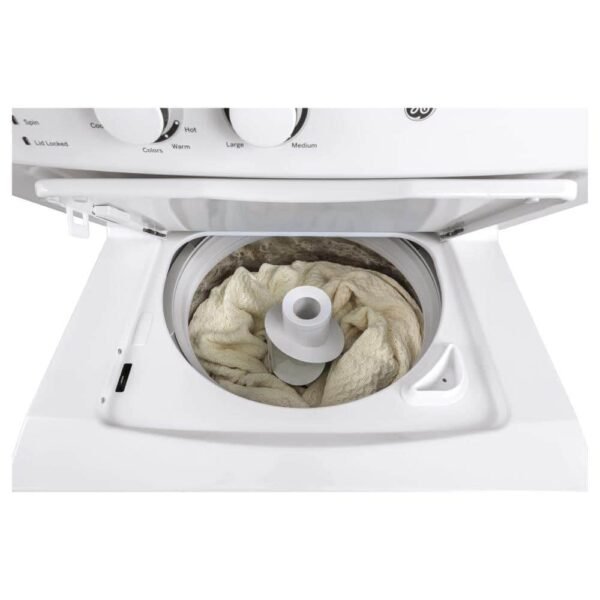
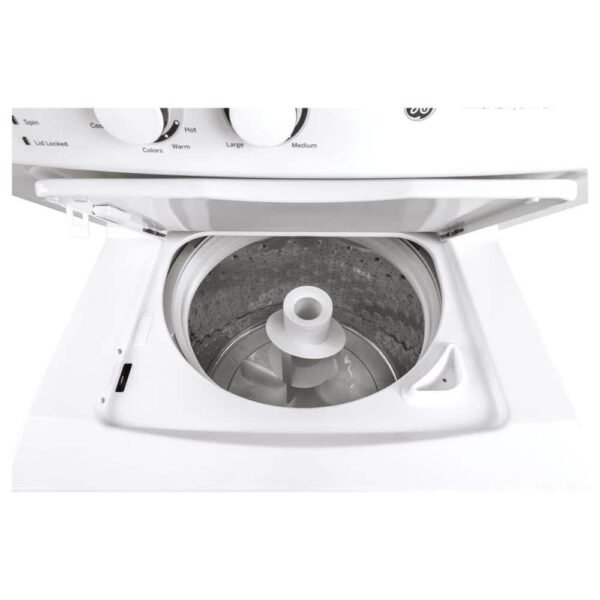
On the flip side, the automatic water sensing feature meant I didn’t have to worry about wasting water or detergent, which was a nice convenience that made the whole process smoother. The stainless steel basket in the washer felt durable, reassuring me that it would hold up well over time and frequent use.
Performance and Cycle Options
Diving deeper into the machine’s functionality, the rotary-electronic controls on the washer simplify cycle selection, which I appreciated because it reduced the learning curve. The 11 wash cycles include standard, heavy-duty, delicates, quick wash, and eco-friendly modes, covering almost every typical laundry need. The eco cycle is a plus for those conscious about energy and water use, and I noticed a mildly lower utility bill since using this setting regularly.
The dryer’s electric heating element dries clothes effectively, but the lack of advanced drying technologies means it sometimes requires multiple cycles for very heavy or thick items. Still, the 5.9 cubic feet capacity dryer managed most loads without issue, and the simple push-button controls kept things straightforward without overwhelming options.
Price to Quality Ratio
Considering the features, the price to quality ratio seems reasonable. This unit is not the cheapest option on the market, but the combination of washer and dryer in a single compact appliance justifies the cost for anyone with limited space. Its durability and straightforward operation offer solid value, particularly when compared to buying separate machines.
That said, if you’re looking for a high-tech, feature-rich machine with smart home integration or touchscreens, this might not be the best fit. But for those who favor reliable, no-frills performance with decent capacity, this unit delivers worth every penny spent.
Product Competitors and Market Rivals
Comparing this unitized washer-dryer combo to competitors like the Whirlpool WED6620HW or LG WM3488HW, the GE model shines in terms of its space efficiency and water-sensing washer. Whirlpool’s model offers more advanced drying sensors and faster spin speeds, but it’s bulkier and less suited for compact spaces.
LG’s combo is known for smart app controls and steam cleaning, which the GE lacks, but the GE’s stainless steel drum and straightforward mechanical controls might appeal more to users who prefer simplicity and durability over tech bells and whistles. In terms of energy consumption, the GE does fairly well, although some rivals offer slightly better efficiency ratings.
Areas of Improvement
While the unit is generally solid, there are areas for improvement that could make it more user-friendly. For instance, upgrading the dryer controls from rotary to digital would provide more precise settings and potentially quieter operation. The noise during the spin cycle can be distracting, so adding better vibration dampening would be a welcome enhancement.
Also, expanding dryer cycle options to include modern features like wrinkle reduction or steam refresh would boost its versatility. Lastly, lighter overall weight or modular parts for easier installation would save users from needing professional movers or additional help.
Highlights of the User Interface and Maintenance
The push-button controls on the washer provide a nice balance between simplicity and functionality, making it accessible for users of all ages. The up-front lint filter keeps maintenance hassle minimal, and cleaning it regularly is quick and painless. I appreciated the durable white finish that resists fingerprints and stains, helping the unit maintain a fresh look even in a busy laundry room.
Cycle status lights are a thoughtful touch, giving clear, visual indicators of where the cycle is, which cuts down on the guesswork. This small feature is something I wish more appliances would include, as it saves trips back to the laundry area just to check progress.
Positive Features:
- Compact, space-saving design perfect for small laundry areas
- 11 specialized wash cycles for diverse fabric care
- Automatic water sensing optimizes water usage
- Durable stainless steel washer basket
- Up-front lint filter for easy dryer maintenance
Limitations:
- Heavy weight complicates installation
- Noisy spin cycle at maximum RPM
- Basic dryer controls lack modern digital features
- Limited dryer cycle options for specialized care
- Longer cycle times on heavy loads