
Description
Strengths of the GE Appliances Unitized Washer-Dryer
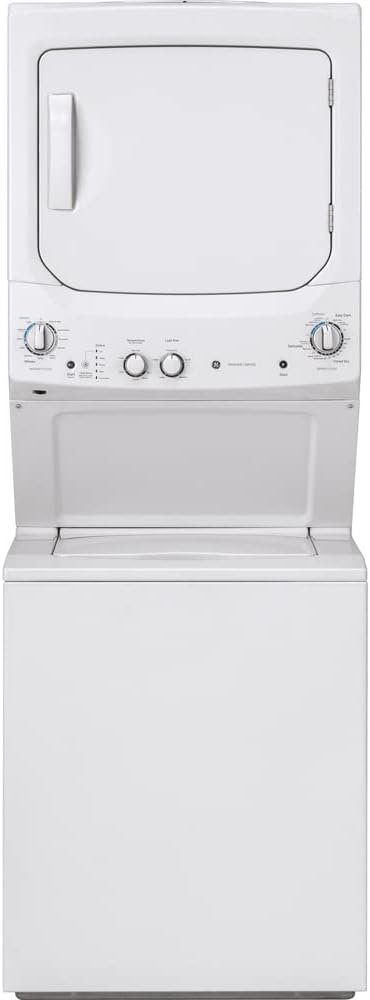
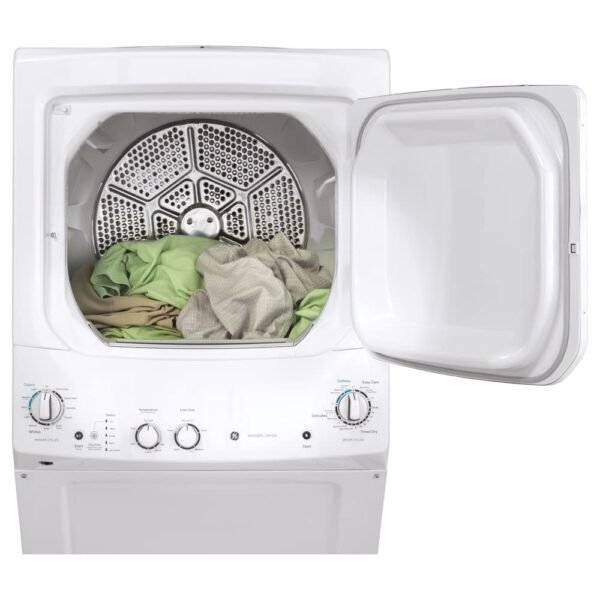
The GE Appliances GUD27GSSMWW offers some solid benefits that stood out during my hands-on testing. First, the compact 27-inch width is a real space saver, perfect for apartments or tight laundry rooms where every inch counts. The 3.8 cubic feet washer capacity is respectable for a unit of this size, and it handles typical loads without feeling cramped. I appreciated the stainless steel washing drum, which gives a durable, rust-resistant feel and prevents clothes from snagging—a feature that’s often overlooked in combo units.
Its five drying cycles and eleven washing cycles cover a broad spectrum of fabric care needs. From heavy-duty to delicate items, this unit adapts well, especially with the specialized wool cycle that’s gentle yet effective. The front-loading design makes loading and unloading laundry straightforward, which my partner noticed immediately. This combo truly aims to balance functionality with convenience.
- Space-saving 27-inch footprint ideal for small areas
- Durable stainless steel drum resists wear and tear
- Versatile wash and dry cycles including wool and delicate options
Drawbacks and Limitations Encountered
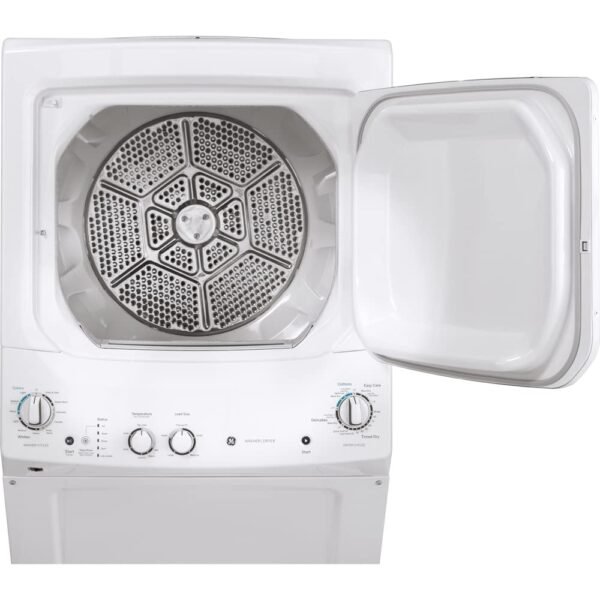
Despite its upsides, this unit also revealed some notable shortcomings. The dryer capacity at 5.9 cubic feet, while seemingly sufficient, struggled with larger or bulkier items like comforters or heavy jeans. I found myself needing to divide loads more than I’d like, which cuts into the time-saving aspect one expects from a washer-dryer combo.
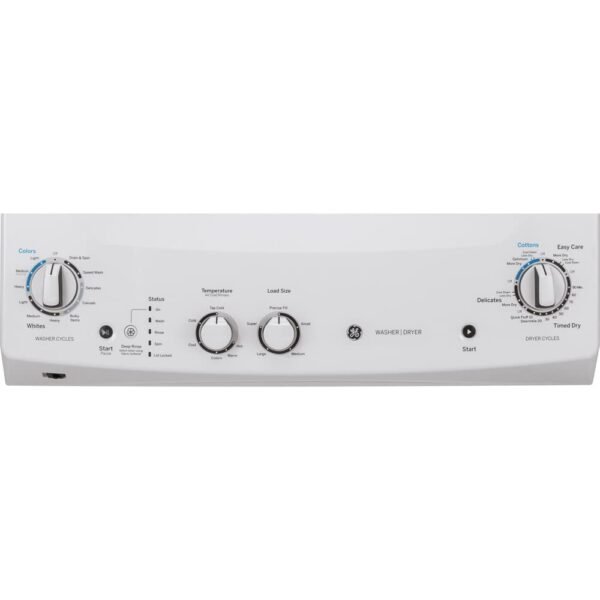
The control panel, while straightforward, felt somewhat dated and not as intuitive compared to other modern laundry appliances. Buttons can be a bit stiff, and the cycle indicator lights aren’t as bright as I would prefer, especially in low-light laundry spaces. Also, the unit’s weight at 251 pounds makes installation tricky without professional help; moving it around even a few feet felt cumbersome.
- Dryer capacity struggles with large loads
- Control panel design feels outdated and unintuitive
- Heavy weight complicates installation and repositioning
Performance and Wash Quality
From a performance perspective, the washer’s ability to clean a variety of fabrics was generally reliable. The multiple cycle options, including normal, heavy-duty, and delicate settings, allowed customization that suited my mixed laundry needs. I ran everything from cotton T-shirts to synthetic workout gear, and the results were consistently clean without excessive wear.
Drying times were a bit longer than I expected, which might be due to the combo’s compact design. Towels and thicker fabrics took longer to dry fully, so patience was essential. However, the gas dryer element is a plus, providing efficient heat that felt more effective than electric models I’ve tried in similar combos.
Design and Build Quality
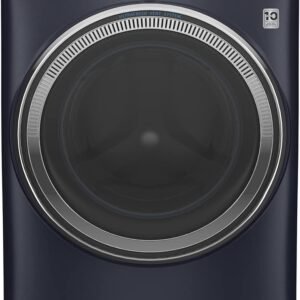
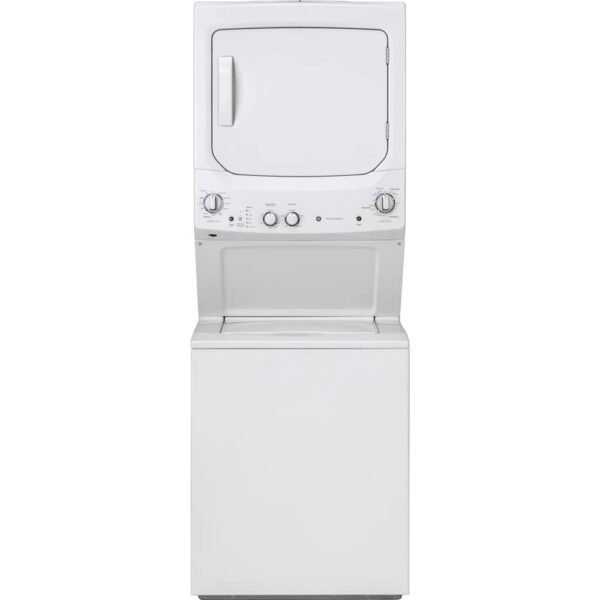
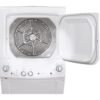
The all-white finish with chrome accents gives the unit a clean and modern look that fits well in most home decors. The front load door is solid and seals well, preventing leaks or excessive vibration noise during cycles. Speaking of noise, this combo is reasonably quiet, although some rumbling and vibration can be felt during spin cycles, especially on uneven floors.
I noticed that the single-compartment detergent dispenser simplifies the process but limits the ability to use separate bleach or fabric softener compartments. This might be a dealbreaker for those who like precise dosing or multiple laundry additives. The entire build feels sturdy but not premium; it’s clearly designed more for function than flair.
Value Proposition Compared to Other Units
Considering the features packed into this unitized washer-dryer combo, the price point seems appropriate for buyers needing a compact, all-in-one solution. It doesn’t compete with high-end models boasting smart technology or ultra-fast cycles but offers respectable value for money for people with limited space and straightforward laundry demands.
In my experience, the energy efficiency of the gas dryer adds some long-term savings, especially for those in colder climates who run dryers frequently. If budget is tight but functionality cannot be compromised, this combo strikes a decent balance. However, those wanting advanced controls, larger capacity, or faster drying may need to look elsewhere.
Product Competitors in the Market
Comparing this unit to competitors like the Whirlpool WET4024EW or LG WM3488HW reveals some interesting contrasts. The Whirlpool model offers similar space-saving benefits but lacks the gas dryer option, which is a significant advantage for the GE combo in terms of drying efficiency. Meanwhile, LG’s unit boasts smarter controls and a slightly larger washer capacity but comes at a higher price point.
The GE unit’s stainless steel drum and multiple cycle options edge out some rivals, yet its drying capacity and control interface feel less refined. For those prioritizing durability and simplicity, this model holds its ground. However, if smart features or speed are top priorities, some competitors pull ahead.
Usability and Everyday Experience
Operating this combo became second nature quickly, but I did encounter quirks. The front load door opens wide enough for easy access, but the unit’s depth means it extends significantly into the room when open. My kids found the control panel straightforward enough to use, though they wished it had a digital display for clearer cycle status.
Filling the detergent compartment was hassle-free, but the lack of separate sections means mixing bleach or softener requires manual addition during cycles. The unit’s noise level is tolerable, with no startling loud sounds during washing or drying, which is nice for apartment dwellers.
Good Aspects That Stood Out
- Compact design fits seamlessly into small laundry spaces
- Reliable washing performance across 11 cycles
- Efficient gas drying with 5.9 cu. ft. capacity
- Durable stainless steel drum resists damage and wear
Areas for Improvement
- Dryer struggles with bulky or large loads, requiring multiple drying sessions
- Control panel feels outdated and less user-friendly than newer models
- Heavy weight complicates installation and moving the unit around
- Single detergent compartment limits use of bleach or fabric softener
Experiencing this washer-dryer combo firsthand gave me a well-rounded view of its strengths and weaknesses. For those living in apartments or needing a compact laundry solution, it represents a decent blend of functionality and space efficiency. Yet, anyone with heavy laundry demands or a desire for smart features might find it lacking.