
Description
Strengths of the Keurig Single Serve Coffee Maker
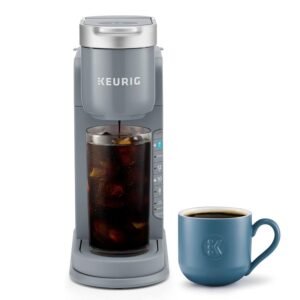
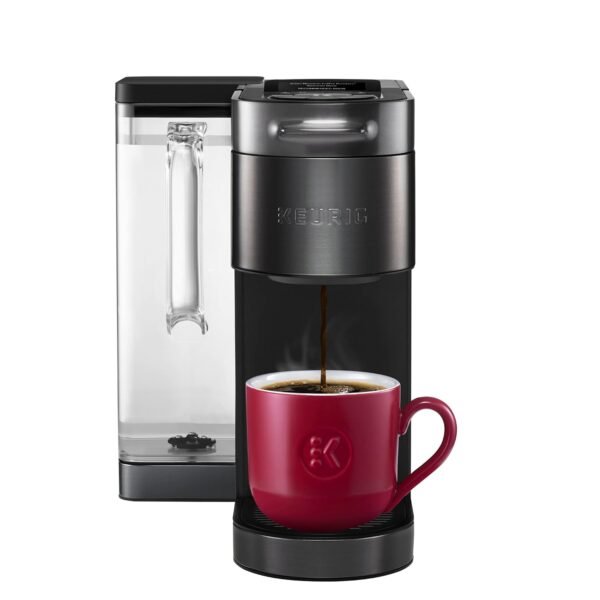
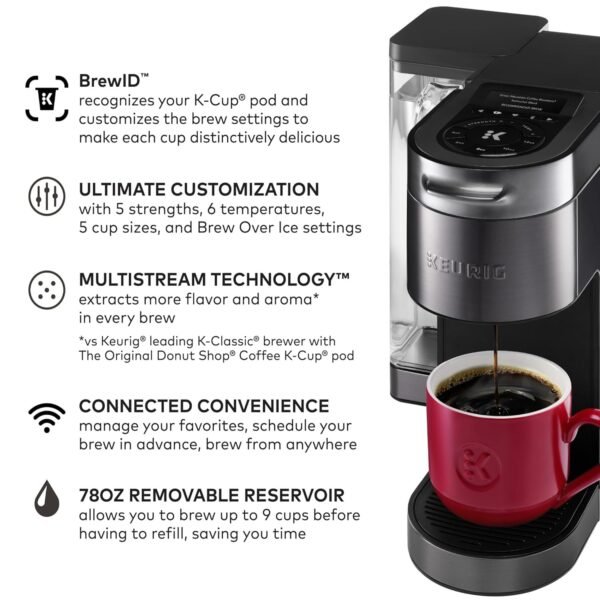
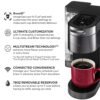
Using the Keurig K-Supreme Plus SMART Coffee Maker has revealed several standout features that truly elevate the coffee experience. The BrewID technology is a game-changer—it automatically recognizes the K-Cup pod brand and roast, then adjusts the brewing settings to meet the roaster’s recommendations. This means every cup tastes just as the coffee experts intended, which is a big win for anyone who appreciates quality. Additionally, the MultiStream Technology saturates coffee grounds more evenly, extracting richer flavor and aroma compared to older Keurig models I’ve tried. The 78-ounce water reservoir is also generous enough to brew several cups before refilling, which saved me time on busy mornings.
- BrewID ensures perfectly customized coffee every time
- MultiStream Technology delivers more balanced flavor extraction
- Large water reservoir minimizes frequent refills
Areas for Improvement
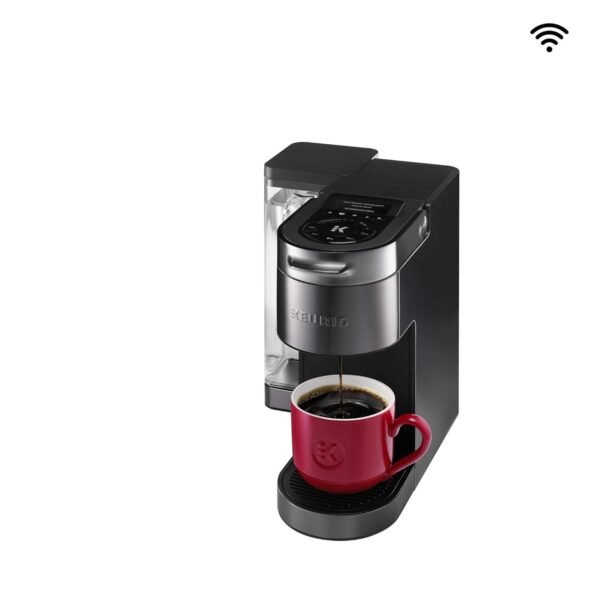
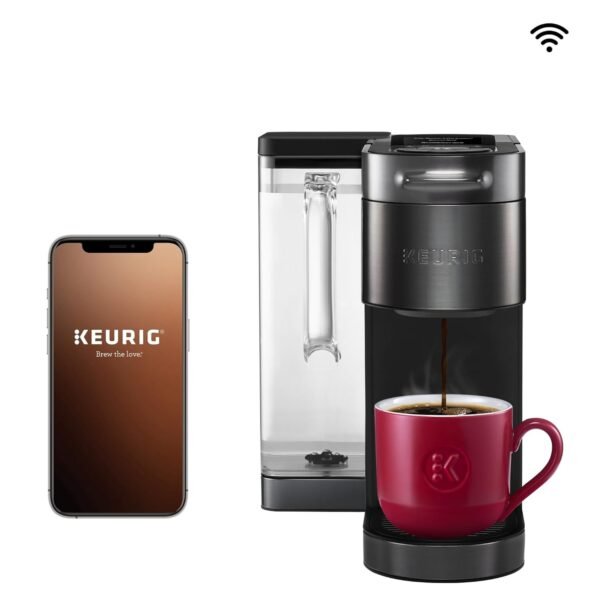
Despite many positives, this coffee maker isn’t without its flaws. The WiFi connectivity and smartphone app integration, while innovative, occasionally felt clunky or unresponsive. Sometimes the app did not sync properly, requiring a restart of the machine or my phone. Also, the dial interface used for manual settings adjustment can be a bit fiddly, especially if you’re in a hurry. The machine is somewhat bulky, measuring 8.3″ deep, 13.4″ wide, and 12.4″ high, which took up more counter space than I expected in my modest kitchen. Lastly, while the black stainless steel wrap looks sleek, it’s prone to showing fingerprints and smudges, demanding more frequent cleaning to maintain its polished appearance.
- Occasional connectivity issues with the smartphone app
- Dial controls can be awkward during fast-paced mornings
- Larger footprint may not suit small kitchens
- Fingerprints easily show on the black stainless steel finish
User Experience and Customization
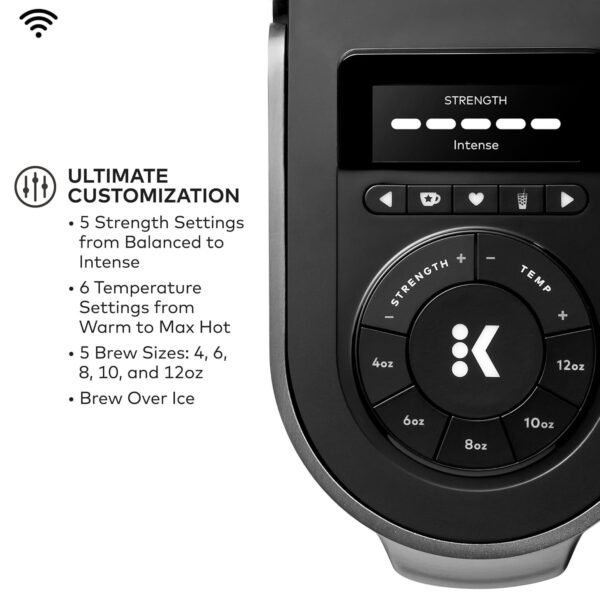
One of the features I enjoyed is the extensive customization options, including five strength levels, six temperature settings, and five cup sizes. This variety lets you tailor your brew exactly to your liking, whether you want a strong espresso shot or a milder cup of coffee. I even saved my favorite settings on the app, allowing me to start the brew remotely—handy when rushing out the door. My family appreciated this too; my teenage daughter liked selecting her preferred strength and temperature for iced coffee, which this machine handles well by brewing hotter and stronger coffee to reduce ice dilution.
Design and Build Quality
The modern, black stainless steel metal wrap gives this coffee maker a premium look that fits well in contemporary kitchens. It feels sturdy and well-constructed, not like the cheaper plastic-bodied machines I’ve used before. The fully automatic drip coffee mechanism is smooth and quiet, making it an unobtrusive part of my morning routine. The reusable filter option is also a nice touch, giving the choice to brew ground coffee without using pods, which is great for those looking to reduce waste.
Comparing to Popular Competitors
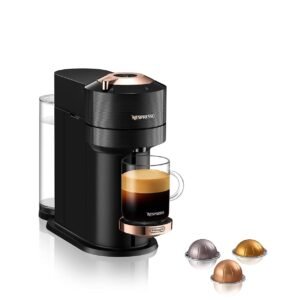
Among other single-serve coffee makers, this model stands out for its smart features and flavor customization. Compared to the popular Nespresso Vertuo, which excels in espresso pods but lacks multi-temperature settings, this brewer offers more flexibility in strength and cup size. However, Nespresso machines often produce richer crema and are more compact. The Cuisinart SS-10 offers similar customization but does not include connectivity features, so the Keurig’s app and BrewID give it an edge for tech-savvy users. On the downside, the Keurig machine’s size and occasional app glitches put it behind some rivals that prioritize simplicity and compact design.
Price Performance
Evaluating the price to quality ratio, this coffee maker feels like a solid investment for those who value convenience and customization. It isn’t the cheapest single-serve brewer on the market, but the advanced features such as BrewID recognition, MultiStream saturation, and app control justify the cost for coffee enthusiasts. If you want a machine that adapts to various pod brands and lets you fine-tune every aspect of your cup, this brewer offers worthwhile functionality. On the other hand, if you’re looking for a straightforward, budget-friendly option without smart tech, there are simpler alternatives available.
Versatility in Beverage Options
Beyond coffee, I found this machine capable of brewing over ice and handling different types of beverages, including tea and espresso-style drinks. The strong brew setting is especially useful for iced coffee, as it minimizes ice melt and dilution, keeping the drink flavorful for longer. The ability to tweak temperature and strength settings means it can satisfy a variety of tastes in my household, from bold coffee drinkers to those preferring lighter brews. This versatility adds to its appeal as a single-serve coffee maker suited for diverse preferences.
Overall Usability and Daily Routine Fit
Integrating this brewer into my kitchen routine was mostly smooth. The large water reservoir and fast brew times helped reduce morning hassle. However, the app’s occasional glitches and the need to keep the machine clean due to its fingerprint-prone surface required some patience. My coworkers and family members who tried it appreciated the rich, full-flavored coffee it produced, though some complained about the dial’s sensitivity. Despite these minor annoyances, the brewer’s smart customization and consistently tasty results made it a welcome upgrade from older single-serve models I’ve used.