Description
Strengths of the Built-In Microwave Oven
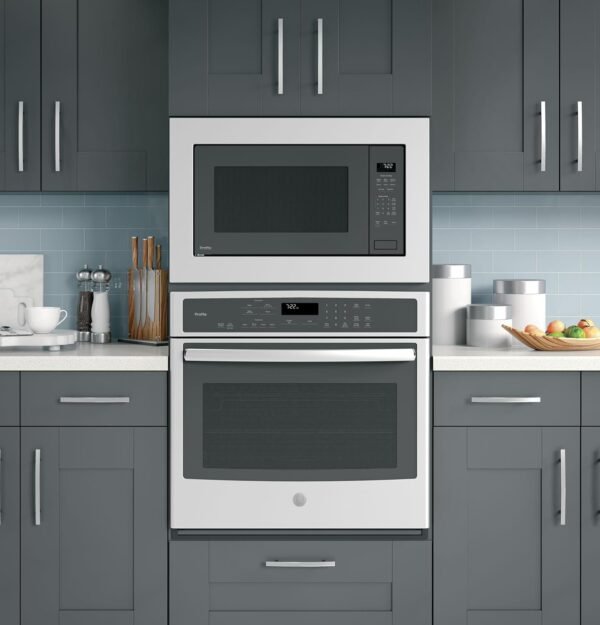
Testing the GE PEB7227ANDD has shown me several key benefits that stand out in a kitchen appliance, especially one designed for built-in installation. The 2.2 cubic feet capacity is quite generous, offering plenty of room for larger dishes or multiple plates, which is perfect for family meals or entertaining guests. I appreciated the 1650-watt power output, which delivers impressive cooking speed without sacrificing evenness. The 10 power levels provide excellent flexibility, allowing precise control over cooking intensity whether I’m reheating leftovers or defrosting meat.
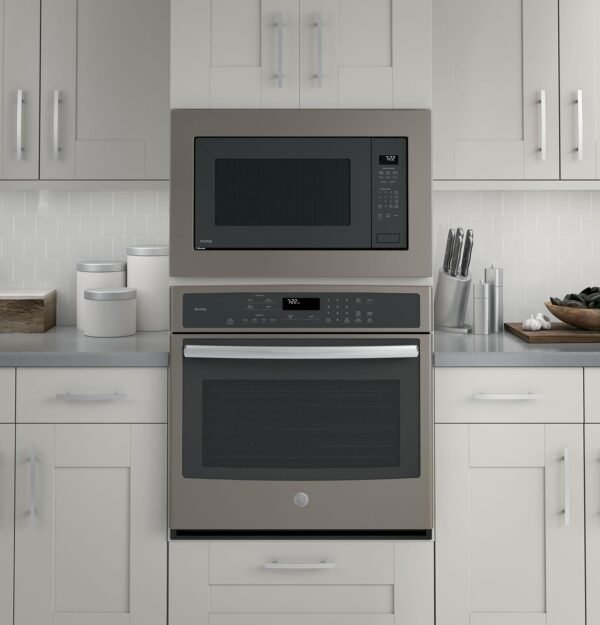
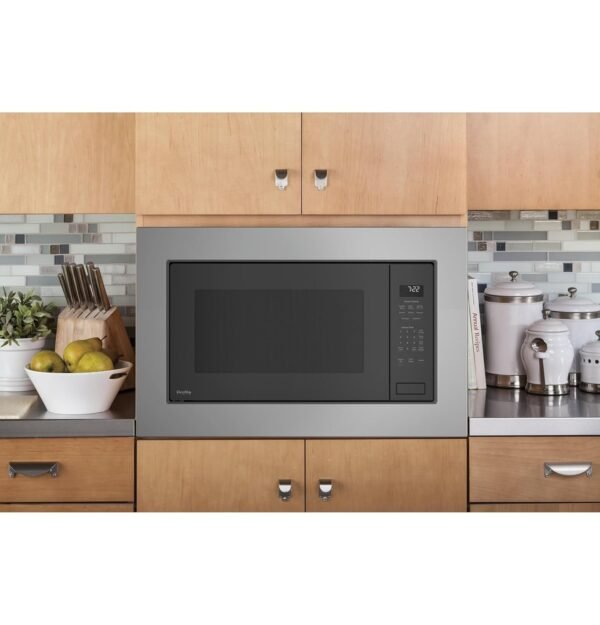
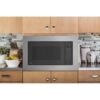
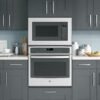
The timer function is a thoughtful addition, making it easy to keep track of cooking times without needing a separate device. Its gray stainless steel finish looks sleek and modern, blending well into my kitchen cabinetry. The microwave’s auto defrost feature is surprisingly accurate, thawing food evenly without starting to cook the edges prematurely. Setup was straightforward since the unit is designed for built-in installation, which gives the kitchen a clean, integrated look.
- Spacious 2.2 cubic feet capacity ideal for larger meals
- Powerful 1650 watts ensure fast and even cooking
- Multiple power levels offer versatile cooking options
- Auto defrost function works reliably
- Stylish gray stainless steel complements modern kitchens
Limitations Worth Noting
Despite the many advantages, a few downsides became apparent during use. The microwave’s interior dimensions, while roomy, felt a bit tricky when heating taller containers due to the built-in design constraints. This could be an issue for users frequently heating large bowls or pitchers. The control panel, although functional, lacks a touchscreen interface or more intuitive digital controls that some competitors offer, which made programming cooking times a slightly less smooth experience.
Another drawback is the noise level. The microwave produces a fairly loud hum during operation, which might be bothersome in open-plan living spaces where kitchen sounds carry easily. Also, the unit weighs 29 pounds, which is reasonable for a built-in appliance but means installation isn’t a casual swap-out and likely requires professional help. Lastly, the price point is moderate but leans higher compared to some countertop models offering similar wattage and features.
- Interior height limits heating of tall containers
- Basic control panel lacks modern touchscreen interface
- Noticeable operating noise can be distracting
- Installation weight requires professional assistance
Design and Build Quality Observations
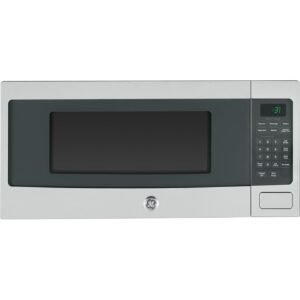
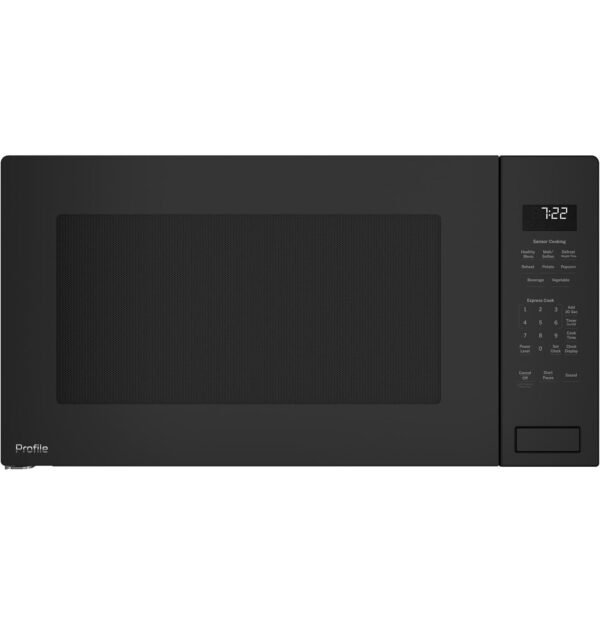
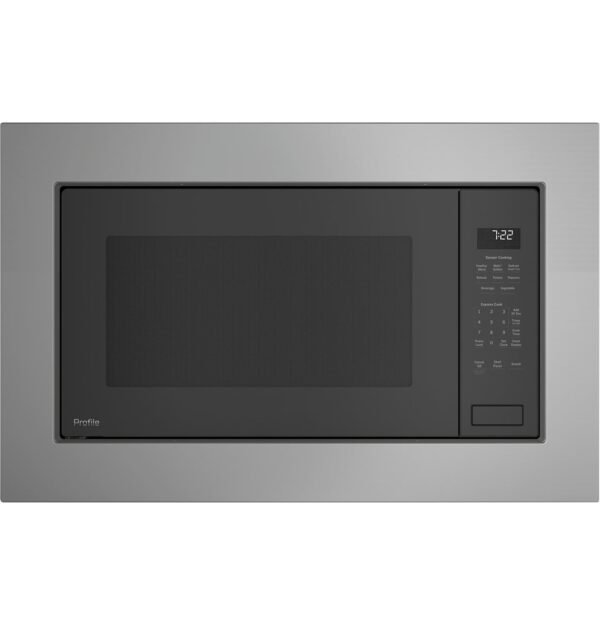
The stainless steel construction gives the microwave a solid, durable feel that suggests it will hold up well over time. I noticed the gray finish resists fingerprints better than typical stainless steel, which is a subtle but welcome feature in a busy kitchen. Measuring 24.12 inches wide by 14 inches high and 19.75 inches deep, it fits neatly into standard built-in spaces and aligns flush with surrounding cabinetry for a streamlined appearance.
The door opens smoothly and the handle provides a comfortable grip without being bulky. Inside, the stainless steel interior not only looks clean but also makes wiping spills simpler compared to plastic interiors I’ve dealt with before. The overall design strikes a balance between modern aesthetics and practical functionality, making it a solid choice for homeowners wanting a sleek built-in microwave without overcomplicated features.
Cooking Performance and Features in Practice
The microwave’s 1650-watt power rating delivers on its promise of quick cooking, reducing wait times significantly compared to lower wattage units I’ve used in the past. The 10 power levels allow for nuanced cooking adjustments—whether I need to gently warm a cup of coffee or cook frozen meals thoroughly. The intuitive timer helps avoid overcooking, and the auto defrost setting took the guesswork out of thawing, evenly softening frozen ingredients without partially cooking them.
I tested reheating leftovers, cooking popcorn, and even warming plates before serving. The results were consistently even, with no cold spots or burnt edges. The microwave’s fan and turntable systems work quietly and efficiently to distribute heat. While it lacks some advanced presets or sensor cooking modes found in higher-end models, its straightforward controls are perfect for anyone who prefers manual precision over automated programs.
Value Proposition Compared to Other Models
Evaluating the microwave’s price to quality ratio, it feels like a fair investment for the features and build quality it offers. It’s certainly more expensive than many countertop microwaves, but that’s expected given its built-in design and higher wattage. Compared to other built-in options, this model strikes a decent balance without going into premium price territory.
The combination of power, size, and cooking versatility makes it a competitive choice for homeowners wanting to upgrade their kitchen with an integrated appliance. The auto defrost and multiple power levels add practical value, while the sleek design means you’re paying for aesthetics as well as performance. For those who don’t need smart features or touchscreen controls, this microwave offers solid functionality without unnecessary bells and whistles.
Product Rivals and How This Microwave Stands Out
Looking at competing brands, several built-in microwave models come to mind, such as offerings from Whirlpool, Samsung, and Bosch. Whirlpool’s built-ins often emphasize user-friendly digital controls and quiet operation but sometimes fall short on interior capacity. Samsung’s units tend to boast smart features and sleek touchscreens, yet they may sacrifice cooking power or cost more.
This microwave holds an edge in raw wattage and spacious interior, making it better suited for larger households or those who cook frequently. Its stainless steel interior also feels more durable compared to some rivals with plastic-lined cavities. However, some competitors provide quieter operation and more advanced interfaces, which could be a dealbreaker depending on user preferences. Ultimately, this model excels at offering robust performance and solid design without pushing prices into premium ranges.
User Experience and Practical Insights
My family quickly adapted to using this microwave, appreciating how easy it is to operate despite the lack of touchscreen controls. My kids found the timer helpful, and I liked how the auto defrost took the hassle out of preparing frozen meals. The built-in installation gives the kitchen a more custom feel, which guests often compliment. On the flip side, the louder noise level occasionally startled the dog, and I had to remind myself to be careful with tall containers inside.
Installation was definitely not a weekend DIY project; professional help was needed to fit it correctly. Cleaning the interior is a breeze thanks to the stainless steel finish, and the exterior shows less smudging than other appliances in the kitchen. Overall, the daily use experience is quite positive, but certain design choices might not suit every kitchen or household.
This appliance is a solid contender if you want a powerful, spacious built-in microwave with straightforward features and a modern look, though the noise and control interface might give some users pause.