


Description
Highlights of the LG 30″ Black Radiant Electric Smoothtop Cooktop
Testing the LG LCE3010SB gave me a clear impression of its modern design and user-friendly interface. The SmoothTouch controls are genuinely intuitive; with just a light tap, I could adjust heat settings quickly without fumbling with knobs. This feature is especially handy for cooks like me who often multitask, juggling different dishes simultaneously. The five radiant glass ceramic elements on the 30-inch surface offer a versatile cooking area, accommodating various pan sizes from small saucepans to larger skillets. The steady heat technology stood out, providing consistent temperature control without those annoying spikes or drops that can ruin delicate recipes.
- SmoothTouch controls enhance ease of use and cleaning.
- Steady Heat Technology ensures stable cooking temperatures.
- Five ceramic glass elements cover a wide range of heating needs.
Drawbacks Worth Considering
Even though the cooktop has many strengths, some aspects made me pause. The power cable location on the right rear felt inconvenient during installation in my kitchen setup, limiting placement flexibility. Additionally, the cooktop’s black glass surface, while sleek, is a magnet for fingerprints and smudges, which means frequent cleaning is necessary to keep it looking pristine. Another issue arose with the warm function, which, although useful, sometimes didn’t maintain a consistent low heat, leading to some meals staying warmer than intended. The auto shut-off feature is a safety plus, but during intense cooking sessions, it occasionally interrupted the process prematurely, requiring me to restart the heating element.
- Power cable placement limits installation options.
- Black glass surface requires regular cleaning to avoid visible smudges.
- Warm function occasionally inconsistent in maintaining low heat.
- Auto shut-off can activate too early during long cooking times.
Versatile Cooking Experience with Multiple Heating Elements
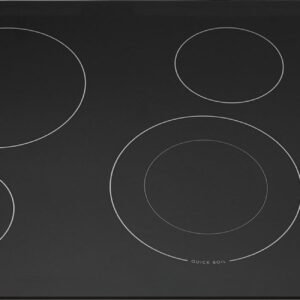
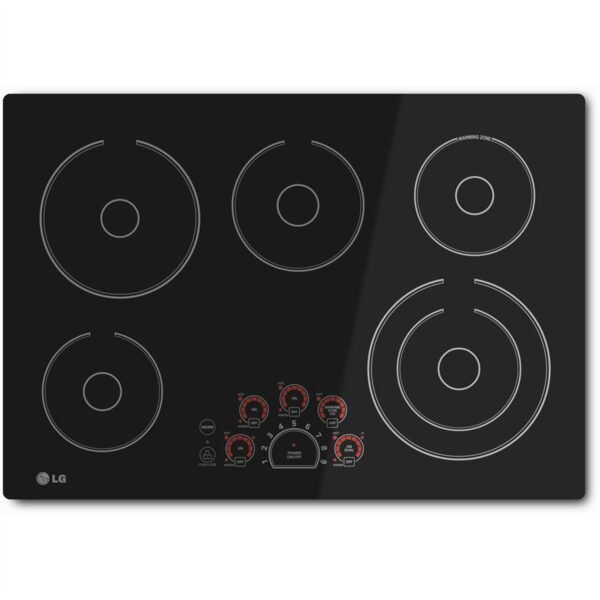
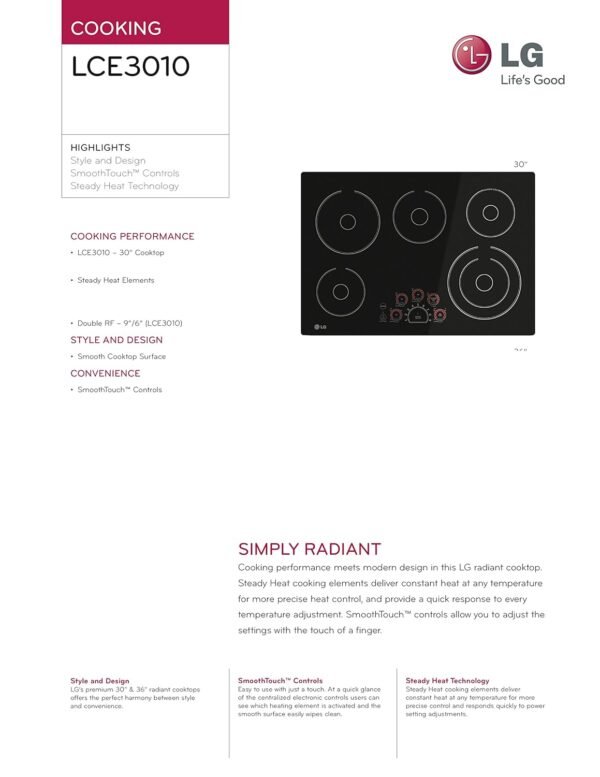
I appreciated how the cooktop’s five heating elements vary in size and power, designed to handle any cooking challenge. The largest element (9 inches, 1.9kW) quickly brought water to a boil, whereas the smaller dual elements (6 inches and 3 inches, combined 1.4kW) are perfect for simmering sauces or melting chocolate without scorching. The ability to use the warm burner at 0.1kW for keeping dishes ready without overheating was handy during family dinners. This range of options makes the cooktop adaptable, whether preparing a quick breakfast or a multi-course meal for guests.
Design and Build: A Sleek Addition with Practical Considerations
Aesthetically, the black radiant glass surface blends effortlessly into modern kitchens, giving a clean, minimalist look. Its 30-inch width and 4-inch height make it a compact yet efficient choice for kitchens with limited counter space. The smooth glass ceramic top wipes clean quickly, but I did find that spills, especially sugary ones, needed immediate attention to avoid staining. The freestanding installation option provided some flexibility, although the aforementioned cable placement somewhat limited positioning. Overall, the build feels solid and durable, supporting heavy cookware without any wobble.
User Interface: SmoothTouch Controls in Daily Use
I found the SmoothTouch control panel to be the cooktop’s most innovative feature. Unlike traditional knobs, the touch-sensitive controls respond instantly to finger taps. The control layout displays which burner is active and its heat level clearly, reducing confusion when multiple elements are in use. My partner, who usually struggles with tech gadgets, took to the controls quickly, which says a lot about their user-friendly design. However, accidental touches can happen if you’re not careful while cleaning or moving pans, so a lock function would have been a valuable addition.
Comparing to Other Electric Radiant Cooktops
Compared to other electric radiant cooktops I’ve tried, this model holds its own, especially against brands like GE and Whirlpool. Its Steady Heat technology offers better temperature consistency than some competitors that tend to fluctuate. However, rivals sometimes feature more advanced safety options or flexible power cord placements, which this model lacks. While some other cooktops boast more heating zones, the five elements here cover most cooking needs efficiently. Price-wise, it aligns well with mid-range options, offering solid features without premium costs.
Value for Money and Price Performance
Given the combination of five versatile burners, SmoothTouch controls, and Steady Heat technology, the cooktop offers a reasonable balance of features and price. It might not be the cheapest on the market, but its performance and aesthetic appeal justify the investment for anyone seeking a modern, reliable electric cooktop. I would consider it a good fit for those who want precision heating without the fuss of gas and appreciate a sleek kitchen appliance that’s easy to clean. If your kitchen demands flexibility and style, this model delivers much of that at a fair price point.
Shortcomings and Areas for Improvement
Some improvements could make this cooktop a standout in its category. The lack of a pan size detection feature means power can be wasted if cookware doesn’t fully cover the elements, which lessens energy efficiency. Also, the absence of indicator sounds or alerts when burners are turned on or off might confuse some users. I noticed during use that the surface can get quite hot around the edges, so caution is necessary, especially in homes with curious children. Finally, the control panel’s sensitivity sometimes led to accidental adjustments, which could disrupt cooking if unnoticed.
- No pan size detection leads to potential energy waste.
- Missing audio alerts for burner activation.
- Hot surface around edges requires careful handling.
- Touch controls occasionally too sensitive.
Using this cooktop was an interesting experience that mixed convenience with a few quirks, making it a practical yet imperfect kitchen companion.