
Description
Strengths of the KitchenAid Cold Brew Coffee Maker
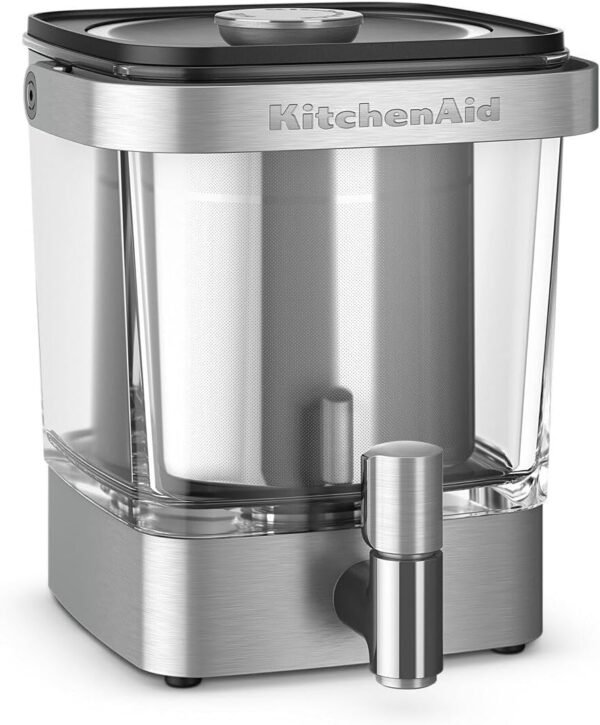
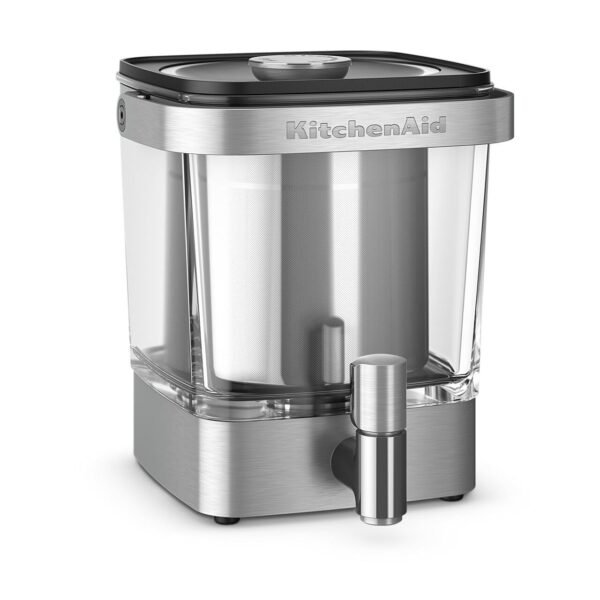
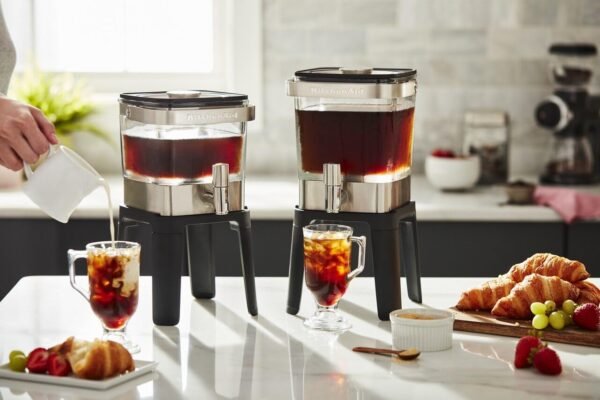
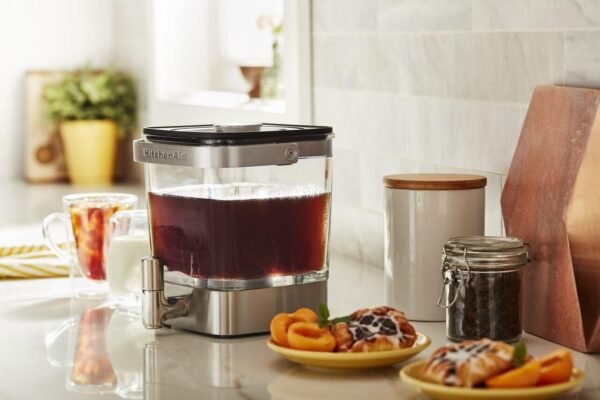
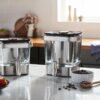
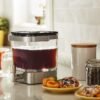
Using the KitchenAid KCM5912SX Cold Brew Coffee Maker 38 Ounce has been quite the experience, especially as someone who appreciates a smooth, well-balanced cold brew. One of the standout features is the capacity to make up to 19 servings by brewing 38 ounces of concentrate. This means I can fill my fridge with fresh cold brew that lasts up to two weeks, a real convenience for busy mornings. The built-in stainless steel tap is a thoughtful addition, allowing for easy dispensing without the mess, and the sturdy carrying handle makes moving it around effortless. The small footprint fits perfectly on my kitchen counter and even in tight fridge spaces, which is a huge plus in my compact kitchen.
- Smooth, full-bodied flavor that truly highlights the coffee’s richness.
- Reusable stainless steel steeper with fill level markers removes any guesswork.
- Durable glass and stainless steel materials preserve the taste and make cleaning straightforward.
Areas for Improvement
Despite its many positive points, there are a few things that could be better. The manual operation mode means you have to plan ahead and wait at least 12 hours for the brew to be ready, which isn’t ideal if you crave instant coffee. The stainless steel tap, while convenient, sometimes drips if not handled carefully, leading to minor spills. Also, the weight of the unit (6.57 pounds) makes it a bit heavier than expected, which could be a downside if portability is a priority for some users. Cleaning is generally easy but requires disassembling the steeper from the carafe, which can be a little fiddly. Finally, although the design is sleek, the brushed stainless steel finish shows fingerprints quite easily, requiring frequent wiping to maintain its polished look.
- Lengthy brewing process requiring 12+ hours.
- Occasional dripping from the tap.
- Heavier than some alternative cold brew makers.
- Fingerprint-prone stainless steel surface.
Design and Build Quality
The brushed stainless steel and glass construction lends a premium feel to this cold brew coffee maker. It’s clear KitchenAid put thought into durability and aesthetics, aiming for a product that looks great sitting on your countertop. The reusable stainless steel steeper is especially impressive; it’s sturdy and labeled with fill level indicators, making the brewing process simpler and more precise. The overall dimensions (7.2″ D x 8″ W x 8.48″ H) strike a good balance between capacity and size, ensuring it doesn’t dominate your fridge space but still produces a decent volume of concentrate. The portable design with an integrated handle is a nice touch, although the weight might make you hesitate before carrying it around frequently.
Brewing Performance and Flavor Profile
One of the aspects I was most curious about was the flavor. The cold brew produced by this maker is consistently smooth and rich, with a full-bodied taste that rivals many café offerings. Simply adding freshly ground coffee into the steeper, filling the glass carafe with filtered water, and letting it steep in the fridge for the required time delivers a concentrate that’s versatile and flavorful. Adjusting the coffee-to-water ratio is easy, and the reusable filter ensures no grounds end up in the final brew. This makes it perfect for iced coffee lovers and those who enjoy blending their coffee into smoothies or other recipes. The concentrate stays fresh in the fridge for up to two weeks, which means I can make a batch and enjoy it over several days without a drop in quality.
User Experience and Ease of Cleaning
Operating this cold brew maker is straightforward enough for anyone, even those new to cold brew. There are no complicated buttons or settings since it’s entirely manual. The process involves adding coffee grounds to the reusable stainless steel steeper, filling with cold water, and waiting. The tap dispensing system is handy for pouring without having to lift the whole unit, and the handle makes transportation manageable despite the weight. Cleanup involves rinsing the steeper and carafe, and occasionally using a mild detergent for a deeper clean. Because the components are glass and stainless steel, they resist staining and odors, which I appreciated after repeatedly testing different coffee blends.
Value Assessment
Considering the features and build quality, this cold brew coffee maker offers a solid value proposition. It’s not the cheapest option on the market, but the capacity for 19 servings and the durability of stainless steel and glass justify the investment. The reusable filter saves money over time compared to disposable paper filters, and having fresh cold brew concentrate ready for up to two weeks is a convenience that pays off for daily users. If you’re looking for a reliable, attractive, and easy-to-use cold brew maker that fits well in small kitchens or refrigerators, this one holds its own against many competitors.
Product Comparisons
Compared to other popular cold brew makers, this product shines in capacity and build quality. Brands like Hario and Takeya offer lighter, more portable models, but their smaller volumes might not suit someone who drinks a lot of cold brew regularly. The stainless steel tap and reusable steeper give it an edge over some glass-only models, which often lack convenient dispensing options. On the downside, some competitors feature quicker brew cycles or electric options that speed up the process, while this one remains manual and requires planning. For those prioritizing durability and the ability to make a larger batch, this brewer is a strong contender, but if speed or ultra-light portability matters more, other brands might fit better.
Drawbacks to Keep in Mind
The lengthy steeping time means this cold brew maker isn’t for instant gratification lovers. If you forget to start the brew the night before, you’re out of luck. The weight and size also make it less ideal for travel or frequent moving between locations. While the tap system is neat, it does demand careful handling to avoid drips or spills, which could frustrate some users. Finally, the stainless steel finish, while attractive, requires upkeep to prevent fingerprints and smudges from detracting from the sleek look. These are minor but real considerations that affect daily use.
- Manual brewing demands patience.
- Not the most portable due to weight.
- Tap may drip if not used carefully.
- Stainless steel requires regular cleaning to avoid smudges.