

Description
Positive Features That Enhance the Brewing Experience
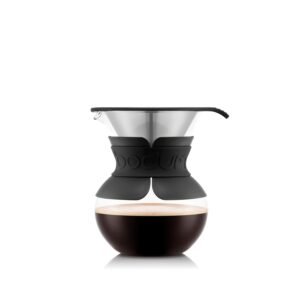
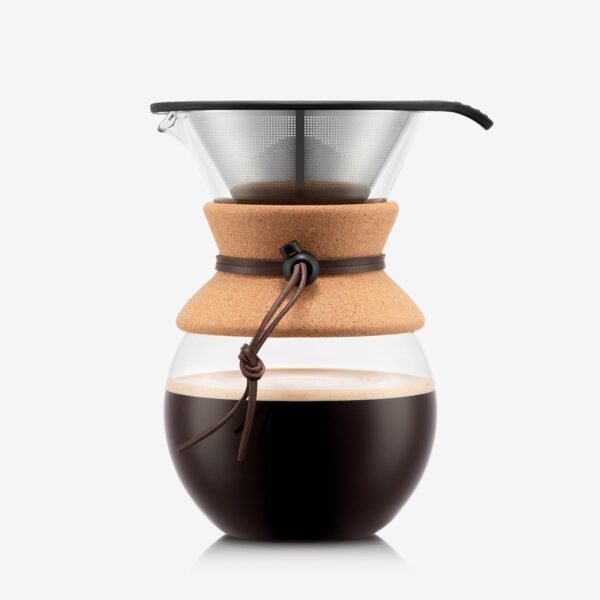
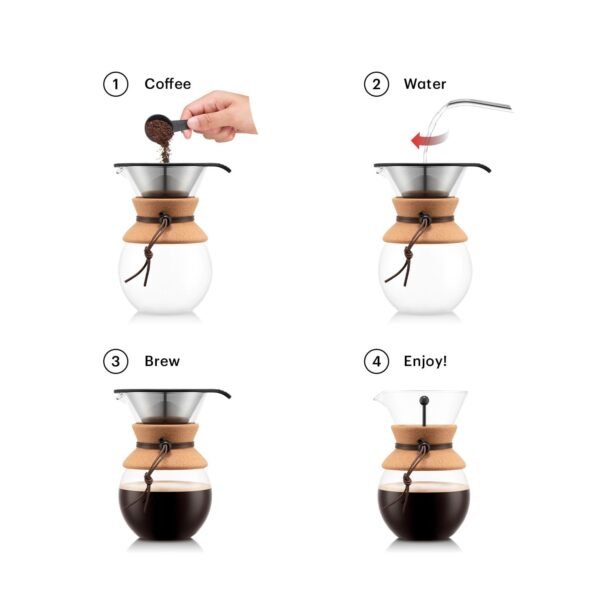
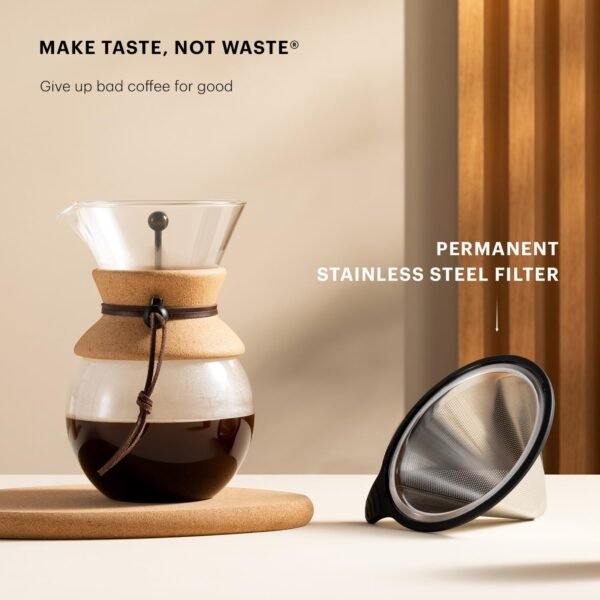
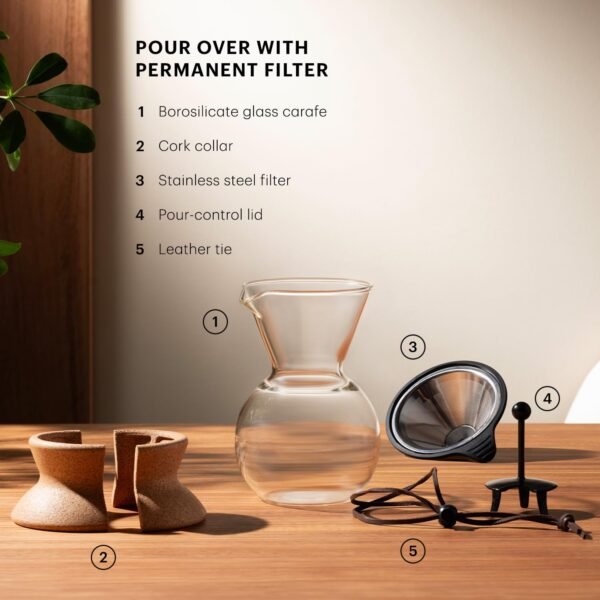
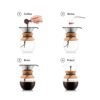
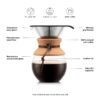
Testing the Bodum 34 Oz Pour Over Coffee Maker, High-Heat Borosilicate Glass with Reusable Stainless Steel Filter and Cork Grip – Made in Portugal Cork 34oz gave me a solid appreciation for the manual pour over method. The reusable stainless steel mesh filter is a game changer compared to disposable paper filters. Instead of absorbing the coffee’s natural oils, this filter lets those aromatic oils and subtle flavors shine through, resulting in a rich, robust cup of coffee. The borosilicate glass carafe stands out with its heat resistance and durability, and the cork grip adds a nice touch of elegance while also protecting my hands from the heat. The simplicity of adding coarse ground coffee, pouring hot water slowly in a circular motion, and then letting it drip allows for a precise and enjoyable brewing ritual.
- Extracts more flavor by preserving natural oils
- Durable, heat-resistant glass with stylish cork detailing
- Easy to clean and dishwasher safe components
Drawbacks That Could Make You Pause
Despite the many perks, there are a few limitations worth mentioning. The manual operation demands a bit of patience and attention, which isn’t ideal for those in a rush. Pouring the hot water evenly requires some skill; otherwise, you risk under-extraction or over-extraction. The single-wall glass carafe doesn’t keep coffee hot for very long, so I found myself drinking my brew quickly before it cooled down. Also, the cork band, while visually appealing, can get stained or slightly worn after repeated use and washing. For some, this might affect the longevity of the aesthetic appeal. Lastly, the size, though convenient for a small group, might fall short if you want to brew larger batches for gatherings.
- Requires careful pouring technique to avoid uneven extraction
- Coffee cools down quickly due to single-wall glass design
- Cork grip prone to staining and wear over time
Design and Build Quality: A Closer Look
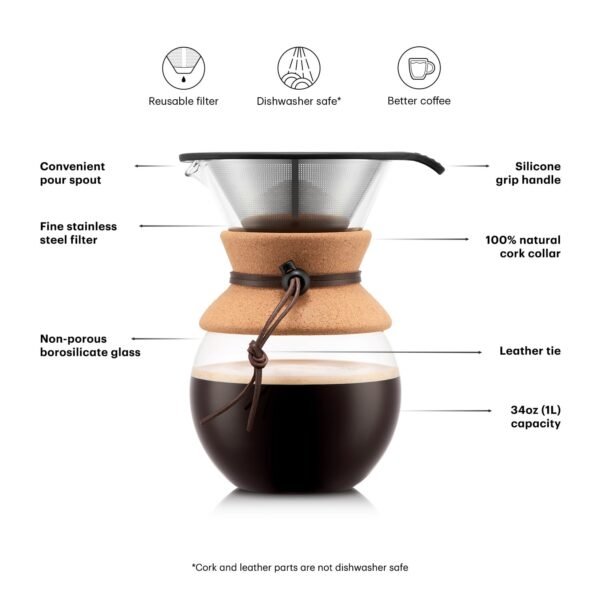
The classic style of this pour over coffee maker blends functionality with a touch of rustic charm. The mouth-blown borosilicate glass feels sturdy yet delicate, making it a pleasure to hold and pour from. The cork exterior finish provides a natural insulation effect and a comfortable grip, which I appreciate especially during the brewing process. The stainless steel filter fits snugly and doesn’t wobble, which gives me confidence that grounds won’t slip through. Cleaning is straightforward since both the filter and carafe are dishwasher safe, though I prefer washing by hand to maintain that cork’s quality.
Brewing Performance and Taste Quality
The manual pour over process allows for control over the coffee’s strength and flavor profile. Using freshly ground, coarse coffee, the aroma that filled my kitchen was impressive. The stainless steel mesh filter prevents clogging and doesn’t impart any unwanted flavors, unlike some plastic or paper filters might. The coffee comes out clean but with a fuller body and more complex taste. The 34-ounce capacity is perfect for about eight 4-ounce cups, which suits small households or solo coffee lovers wanting multiple cups without constant brewing.
Price to Quality Ratio: Is It Worth It?
In terms of value for money, this pour over coffee maker sits comfortably in a moderate price range. It’s not a budget gadget, but it offers premium materials and design features that justify the investment for serious coffee enthusiasts. Compared to disposable filter options or cheaper plastic models, the durability and flavor quality you get here make it worth considering. However, if you’re looking for quick, hands-off brewing or thermal insulation that keeps coffee hot longer, this may not be the most cost-effective choice.
Alternative Offerings: How It Stacks Up
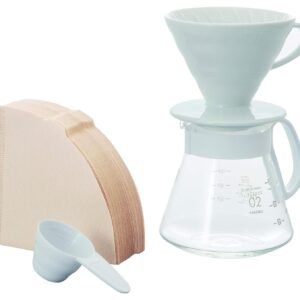
Comparing it with other popular manual coffee brewers, like the Hario V60 or Chemex, the Bodum pour over stands out with its permanent stainless steel filter and cork grip, which some competitors lack. The Hario V60 relies on paper filters that absorb oils, leading to a cleaner but less rich cup. Chemex is elegant and produces a smooth brew but also uses paper filters, which means more ongoing costs. However, Chemex offers a double-wall glass option for better heat retention, something missing in this Bodum model. If heat retention is critical, other brands might edge out the Bodum, but for flavor and eco-friendliness, this product shines.
Usability and Maintenance in Daily Life
Operating this coffee maker is fairly straightforward once you get the hang of the pouring technique. The manual nature encourages a slower, more mindful brewing ritual, which I find relaxing amid a busy day. The dishwasher-safe filter and carafe simplify cleanup, though I recommend hand washing the cork band to preserve its look. My family appreciated the sturdiness; even my kids found it safe to handle with the cork grip, which adds an extra layer of comfort. The only challenge is remembering to remove the filter before serving to avoid over-extraction and bitterness.
Strengths That Make It a Solid Choice
- Permanent stainless steel filter enhances flavor without waste
- Elegant, heat-resistant borosilicate glass carafe with cork grip
- Simple brewing method for a rich, aromatic cup
- Dishwasher safe components ease maintenance
This pour over coffee maker balances aesthetics, functionality, and environmental consciousness. It’s ideal for those who enjoy a hands-on brewing experience and appreciate the nuances of coffee flavor extraction. Despite some minor shortcomings, the overall package delivers a satisfying coffee routine that feels both classic and refined.