Description
Highlights of the Breville Precision Brewer Drip Coffee Machine
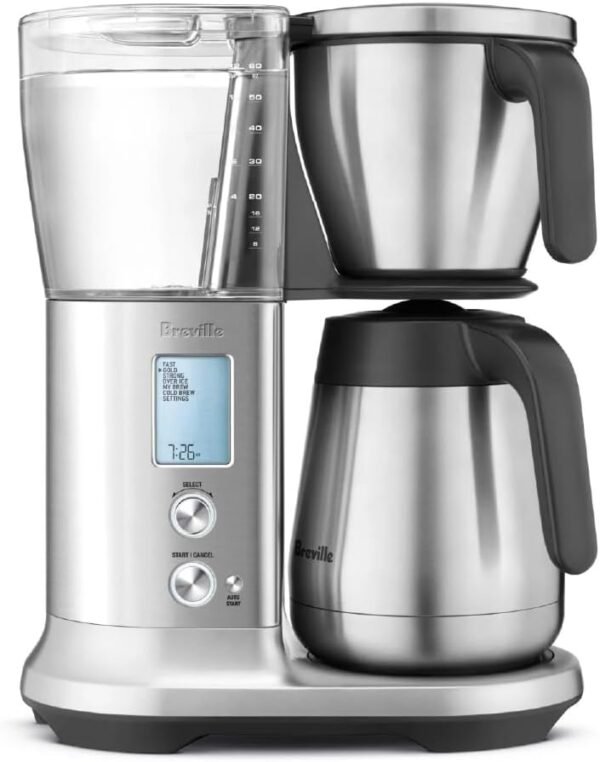
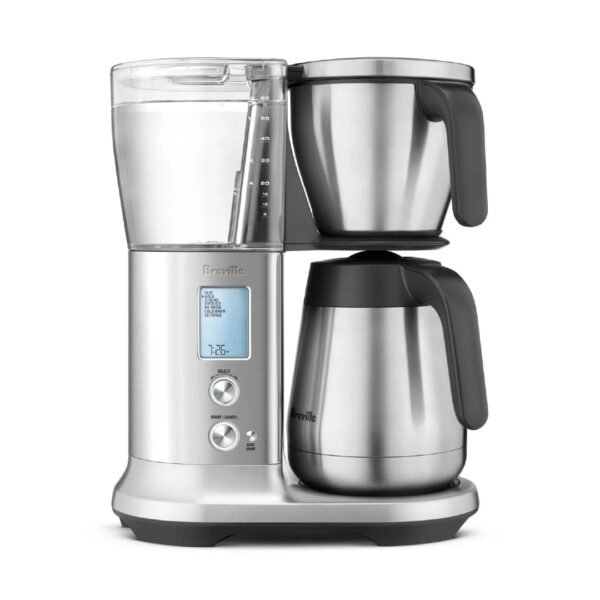
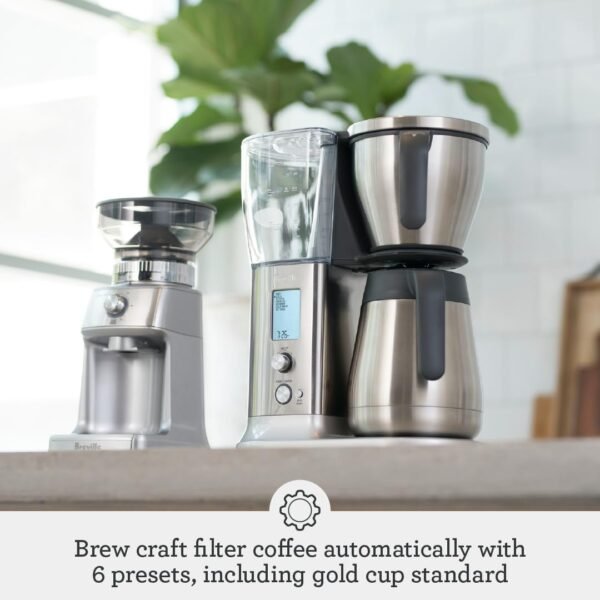
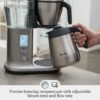
Using the Breville Precision Brewer Drip Coffee Machine, Thermal Carafe, BDC450BSS1BUS1 has genuinely changed the way I approach my daily coffee ritual. This machine isn’t just your average drip coffee maker—it’s packed with features designed for coffee enthusiasts who crave precision and variety. Its programmable nature shines, allowing for six unique brewing modes including Gold, Fast, Strong, Iced, Cold Brew, and My Brew. This flexibility means I can switch from a quick morning cup to a slow, rich cold brew without needing multiple devices cluttering the kitchen.
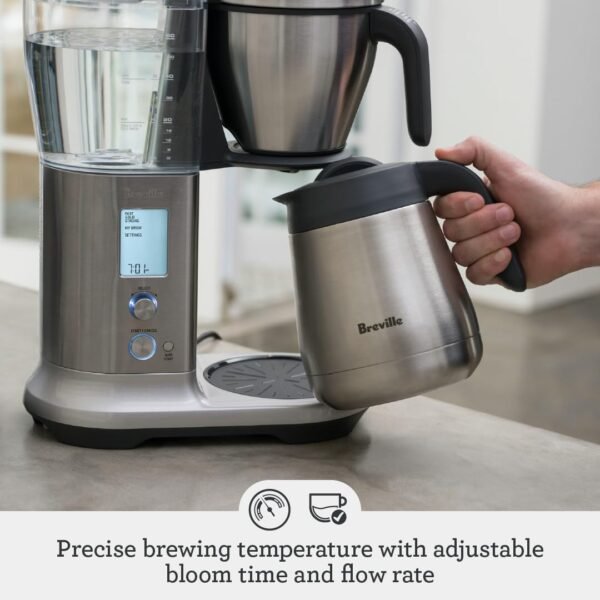
I appreciate how the machine employs precise temperature control through a digital PID system, keeping water temperature between the ideal SCA Gold Cup standards of 197 to 204 degrees Fahrenheit. The Thermo Coil Heating System ensures that the water purity is higher than traditional aluminum-based systems, which really shows in the flavor clarity. The auto ‘Steep and Release’ valve is a clever touch, especially when brewing smaller volumes without the thermal carafe—the machine holds water in contact with the grounds longer for a full-bodied cup.
- Six distinct brewing modes for tailored coffee experiences
- Precise temperature control and adjustable flow rates
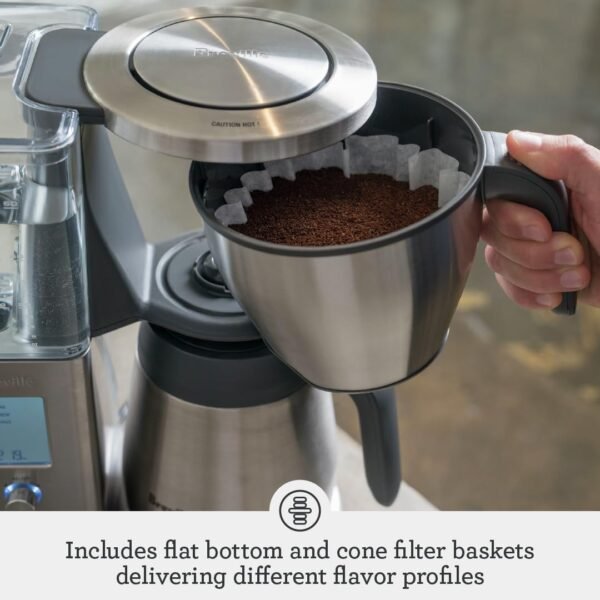
- Dual filter baskets and pour over adapter compatibility
- Comes with useful accessories like a water hardness test strip and measuring spoon
Limitations of This Drip Coffee Maker
Despite the many perks, certain aspects of this coffee maker left me less than thrilled. The size of the machine (12.72″ D x 6.69″ W x 15.75″ H) is on the bulkier side, so counter space might be a precious commodity for those with smaller kitchens. While the thermal carafe keeps the coffee hot for hours, cleaning it requires a bit more effort compared to glass carafes.
Another annoyance comes from the user interface. Although it uses buttons for operation, the learning curve for customizing the ‘My Brew’ settings is steeper than I expected. Tinkering with bloom time, temperature, and flow rate is fantastic for aficionados but can feel overwhelming for casual users. Also, the machine’s noise level during brewing is louder than some competitors, which could be distracting in quiet mornings.
- Larger footprint may not suit compact kitchens
- Cleaning the thermal carafe can be tedious
- User interface isn’t very intuitive for beginners
- Noticeable sound during brewing process
Brewing Performance and Flavor Profiles
The coffee quality produced is where this brewer really excels. I experimented with all preset modes, and each delivered a distinctly different cup, letting me appreciate the nuances of my favorite beans. The Gold mode adheres strictly to SCA standards, producing a balanced, flavorful cup every time. I found the Strong mode excellent for those days when a bolder punch was necessary without sacrificing taste.
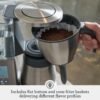
The My Brew setting opened a whole new dimension of customization—adjusting bloom time and flow rate allowed me to highlight floral or earthy notes in my coffee, mimicking the precision of a barista’s pour over technique. The inclusion of both cone and flat-bottom filter baskets means I can brew for one or the whole family, making it versatile for different occasions. The pour over adapter compatibility was a pleasant surprise, catering to my love for third-wave coffee without needing a separate device.
Design and Build Quality
The brushed stainless steel exterior gives the machine a sleek, modern look that fits well in a variety of kitchen aesthetics. It feels sturdy and well-built, with solid buttons and a clear display that’s easy to read under different lighting. The weight of 10.63 pounds adds to the sense of durability, although it’s somewhat heavy to move around frequently.
I appreciate the thought put into the inclusions: a water hardness test strip to tailor the water quality, a measuring spoon, and multiple filter options right out of the box. These accessories make it easier to get started without needing to hunt for extras. The thermal carafe’s double-wall insulation maintains temperature well, though it does make the carafe heavier than a typical glass one.
Value for Money
Considering the advanced features and brewing precision, this coffee maker offers a strong value proposition for those serious about their coffee. It’s priced at a level that reflects its capabilities without veering into ultra-premium territory. For someone who enjoys experimenting with brew variables or wants a reliable machine that produces café-quality coffee, this brewer is a solid investment.
If you’re more of a casual coffee drinker, the price might feel steep compared to simpler drip machines. However, the versatility, customization options, and thermal carafe keep coffee hot for hours, which many basic models can’t offer. From my experience, this machine earns its price tag by delivering consistency and quality that justify the cost, especially for multi-cup brewing.
Alternative Offerings and Market Rivals
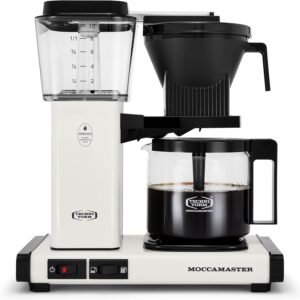
Comparing this brewer to popular alternatives like the Technivorm Moccamaster and the Bonavita Connoisseur, the Breville Precision Brewer stands out for its programmable custom settings and variety of brew modes. The Moccamaster, while praised for its simplicity and build quality, lacks the digital precision and adjustable flow rates that allow for more tailored brewing experiences. The Bonavita offers excellent temperature stability but doesn’t match the level of customization nor include a thermal carafe.
On the downside, the other models are generally quieter and more compact, making them more kitchen-friendly for tight spaces. The Moccamaster’s user interface is more straightforward, which might appeal to those who prefer simplicity over the technical depth of this brewer. In terms of price, the Breville sits comfortably in the mid-to-high range, offering more features for enthusiasts but possibly more complexity for the average user.
Positive Features
- Exceptional customization with My Brew mode
- Six diverse brew presets to suit any coffee preference
- Thermal carafe keeps coffee hot for hours without compromising flavor
- Dual filter baskets and pour over adapter for versatile brewing
- Digital PID temperature control meets SCA Gold Cup standards
Drawbacks
- Larger size requires significant countertop space
- Thermal carafe maintenance can be cumbersome
- Steeper learning curve for customizing settings
- Audible noise during brewing could disturb quiet mornings
Using this machine has been an adventure in perfecting my coffee habits. While it demands a bit more attention and care than simpler drip makers, the payoff in flavor and flexibility is undeniable. My partner, who’s less tech-savvy, found the buttons a bit confusing at first but grew to appreciate the quick presets for everyday use. Meanwhile, my coffee-loving friends were impressed by the rich, clean flavors and the ability to experiment with brewing parameters without needing a manual pour over setup.