



Description
Strong Points of the Panasonic Microwave Oven NN-SN686S
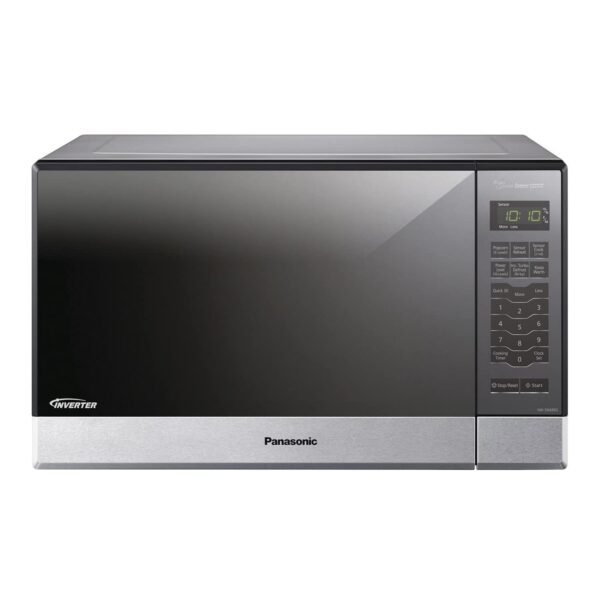
Testing the Panasonic Microwave Oven NN-SN686S has been quite an experience, especially with its 1.2 cubic foot capacity and 1200-watt power. One feature that immediately impressed me was the patented Inverter Technology. Unlike traditional microwaves that pulse power on and off, this one delivers a constant stream of cooking power, which means food cooks evenly from edge to center. That’s a game changer for me, as I’ve struggled with uneven heating in other models before. The Genius Sensor adds another layer of convenience by automatically adjusting cooking time and power based on the food’s steam output. Honestly, it takes the guesswork out of microwave cooking, which I truly appreciate during busy mornings.
- Consistent cooking performance with Inverter Technology
- Genius Sensor automatically adjusts power and time
- Large 13.4-inch turntable for accommodating bigger plates
Drawbacks to Keep in Mind
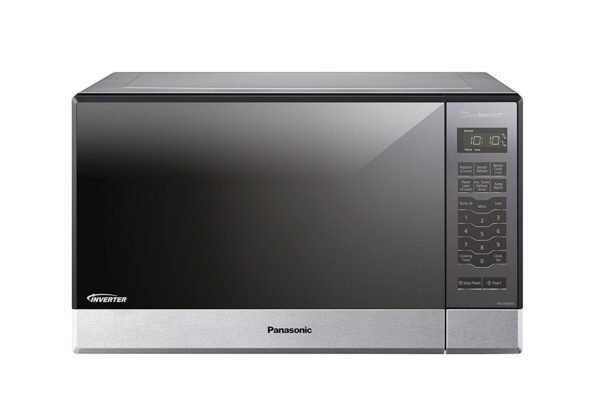
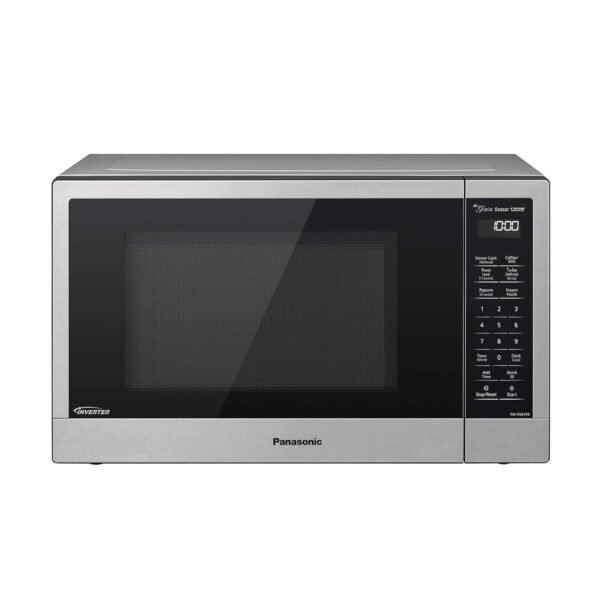
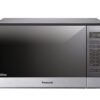
Despite its many perks, this microwave has a few quirks that might bother some users. The stainless steel finish, while sleek and modern-looking, tends to show fingerprints and smudges quite easily. I found myself wiping it down more often than expected just to keep it looking pristine. Another downside is the control panel, which uses a membrane keypad and five menu buttons. Although functional, it sometimes feels less responsive compared to touchscreens on newer models. Also, the weight of 25.5 pounds makes it a bit cumbersome to move around if you like to rearrange your kitchen appliances frequently.
- Stainless steel surface attracts fingerprints
- Membrane keypad can feel unresponsive
- Relatively heavy for a countertop microwave
Compact Design with Ample Capacity
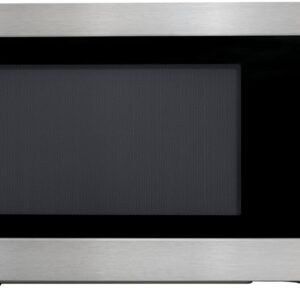
This microwave strikes a nice balance between compact design and interior space. Measuring 15.8 by 20.7 by 12.2 inches, it fits comfortably on countertops without hogging too much room. Yet, the internal dimensions of approximately 9.9 by 14 by 14.4 inches provide plenty of space for larger dishes, making it ideal for families or meal prepping enthusiasts. The 13.4-inch turntable spins smoothly and is just the right size for most plates and containers. I was able to heat leftovers, cook frozen meals, and even prepare popcorn without any issues.
Smart Features and User Experience
The microwave’s 14 preset menu options cover a wide variety of common foods, including pizza, popcorn, pasta, oatmeal, and soup. In daily use, this feature has saved me time and frustration, especially when preparing snacks for my kids after school. The quick minute timer, delay start, and child safety lock add to the usability and safety of the appliance. It’s reassuring to know that the safety lock prevents accidental operation, especially with curious toddlers around. The keep warm function also came in handy during family gatherings, allowing me to keep dishes at serving temperature without drying them out.
Comparing to Popular Competitors
Looking at other models like the Toshiba EM131A5C-BS or the Samsung MS14K6000AS, this microwave holds its own and sometimes excels. The Panasonic’s Inverter Technology is a big advantage over Toshiba’s more traditional power cycling, which can cause uneven cooking. Samsung offers a bit more advanced touchscreen controls, but its interior space is smaller, which limits plate size. Energy efficiency is comparable across these brands, but Panasonic’s Genius Sensor stands out for its precise cooking adjustments. However, if sleek control panels and lighter weight are priorities, some competitors might edge ahead.
Price Performance and Value Proposition
Considering the features packed into this microwave, its price to quality ratio feels fair. The advanced inverter system and sensor-driven cooking justify the investment for anyone who wants more precise microwave results without upgrading to a high-end oven. While it might not be the cheapest option on the market, the durability of the stainless steel build and the versatility of the cooking presets make it a smart purchase. For those who use a microwave daily, this model offers good value for money compared to basic, less feature-rich alternatives.
Highlights That Make a Difference
Several aspects of this microwave have made a positive impact on my kitchen routine. The Turbo Defrost function notably speeds up thawing without partially cooking the edges—a common frustration with older microwaves. The power consumption of 1480 watts ensures faster heating times, which is a blessing on busy days. I also appreciate the 12-hour clock display and the push-button door release, which is more hygienic than handles that require gripping. The appliance’s solid build and reliable performance make it feel like a dependable kitchen companion.
Areas for Improvement
Despite its strengths, a few areas for improvement could enhance the overall experience. The lack of a more intuitive touchscreen is noticeable in an era where smart appliances are becoming standard. Also, the microwave’s beeping sounds are a bit loud and could benefit from volume control options. As someone who sometimes cooks late at night, a quieter alert would be appreciated. Lastly, the user manual could be more detailed, especially regarding advanced settings and maintenance tips, to help new users get the most out of the technology.
This Panasonic microwave has certainly earned a spot in my kitchen with its even cooking, smart sensor, and generous interior. It’s not without its flaws, but for anyone who appreciates a reliable microwave with advanced inverter technology and convenient presets, this one is worth considering. Whether reheating leftovers, defrosting meat, or popping popcorn, it handles tasks smoothly and efficiently.