





Description
Strengths of the GE GCST10A1WSS 4-in-1 Microwave Oven
Using this 4-in-1 microwave oven has been an interesting experience, especially with its air fry, convection, broil, and microwave modes all packed into a 1.0 cubic feet stainless steel countertop unit. I found the air fry mode particularly impressive; it crisps up frozen fries and nuggets far better than any microwave alone, delivering a texture closer to deep frying but with less oil. The preset controls for Fries and Nuggets simplify cooking, so I don’t have to guess times or temperatures. The convection mode’s special rack allows air to circulate evenly, which really helps with golden brown results on pizzas or reheated leftovers that usually come out soggy elsewhere. This oven’s 1050 watts of power provide a solid punch in a compact package, fitting perfectly on my kitchen counter without feeling cramped.
- Air fry function delivers healthier, crispier food in less time.
- Convection mode ensures even heat distribution and browning.
- Preset cooking options make operation straightforward and precise.
Drawbacks I Encountered
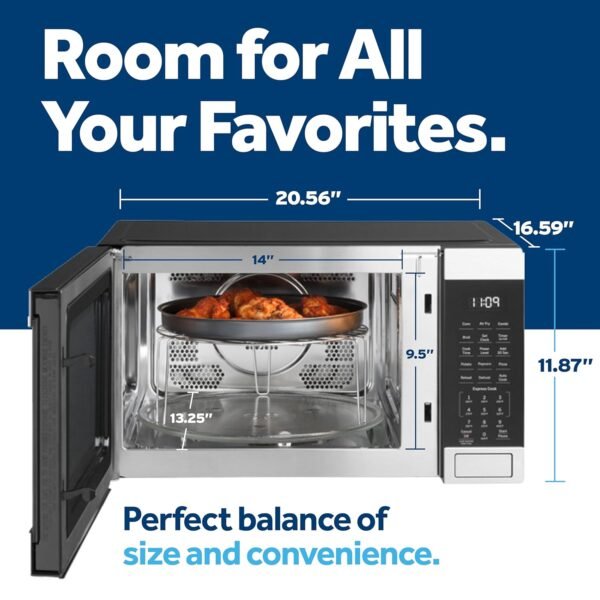
Despite many good points, some limitations became clear during use. The 1.0 cu. ft. capacity feels a bit restrictive if you’re trying to cook for more than two people, especially when using the convection rack which reduces usable space. The two-step child lock is a necessary safety feature but can be a bit finicky; at times I found myself fumbling to deactivate it quickly when in a rush. Also, the broil mode, while useful for searing, takes longer than I expected to get food perfectly caramelized compared to a standalone broiler or grill. The weight of 35 pounds makes it less portable, so shifting it around for cleaning or moving isn’t something I’d do frequently. Finally, the glass turntable sometimes causes uneven cooking on oddly shaped dishes since the rotation path is fixed.
- Limited interior space for larger dishes or multiple servings.
- Child lock can be cumbersome to toggle off quickly.
- Broil mode slower to achieve searing compared to dedicated grills.
- Heavier design reduces portability around the kitchen.
Versatility and Ease of Use in Daily Life
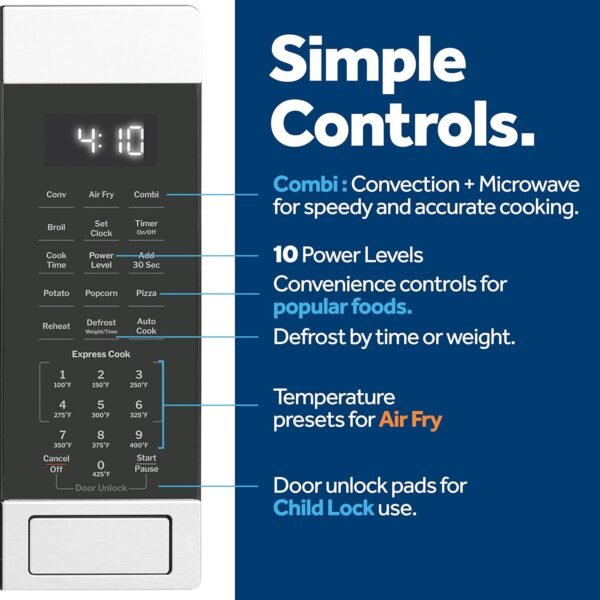
Operating this microwave has been relatively straightforward, with clearly labeled express cook buttons and automatic and time defrost options that give me control over reheating frozen foods without overcooking. The included stainless crisper pan and wire racks add real value, allowing me to switch between air fry and convection cooking seamlessly. My family, including my kids, appreciated how easy it is to prepare quick snacks or meals using the microwave preset controls, which reduce the guesswork for busy days. Cleaning is a breeze thanks to the stainless steel exterior and glass turntable, both of which wipe down quickly without retaining odors or grease. The design fits nicely in smaller spaces like dorm rooms or office kitchens, proving its compact convenience.
Product Competitors and How This Model Stacks Up
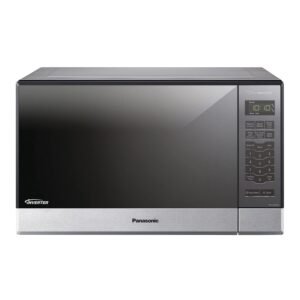
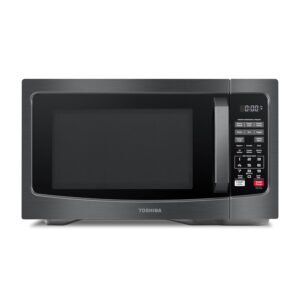
Comparing this microwave oven to similar countertop convection microwaves from brands like Panasonic and Toshiba, I noticed some clear differences. The built-in air fryer feature sets this model apart, as many competitors require separate appliances for crisping foods. Panasonic’s convection microwaves offer slightly larger capacity but lack dedicated air fry modes, which makes the GE unit more versatile for quick, healthier frying. Toshiba models sometimes are lighter and easier to move but don’t provide the same broil or convection rack options, limiting cooking techniques. On the downside, some competitors offer more user-friendly child lock systems or quieter operation. Overall, this unit shines in its multi-functionality and cooking precision, especially for users who want a single appliance that can do it all.
Price to Quality Ratio Worth Considering
Evaluating the price to quality ratio of this microwave, it strikes me as a solid investment for what it offers. The combination of air fry, convection, broil, and microwave modes in one compact device is uncommon, providing excellent value for money for those who want versatility without cluttering the kitchen with multiple gadgets. The stainless steel build and included accessories justify the cost, as they enhance durability and convenience. While there are cheaper microwaves with fewer features, none match the ability to crisp, bake, broil, and microwave with this level of control and power. It’s a smart purchase if you prioritize healthy cooking options and multi-functionality in a single appliance.
Design and Build Quality Insights
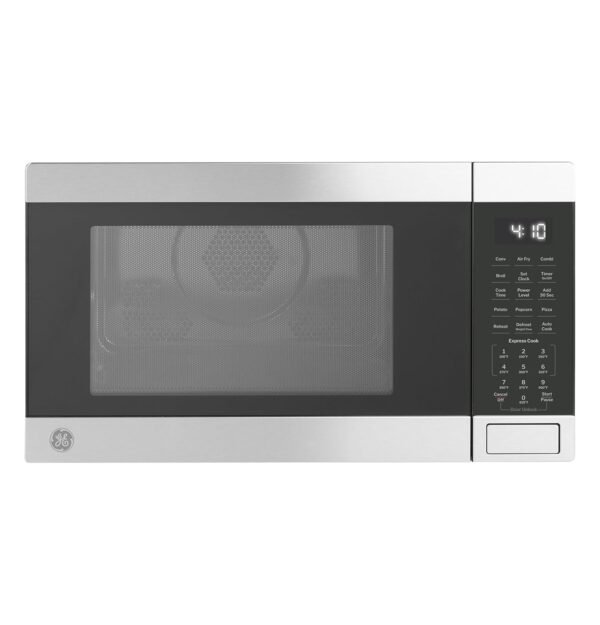
The stainless steel finish not only looks sleek but also resists fingerprints and smudges better than black or white models I’ve tried before. The overall footprint of 16.6 x 20.6 x 11.88 inches fits snugly on my countertop, and the weight, while on the heavier side, adds stability during operation. The control panel is intuitive, with a mix of touch buttons and a dial for time adjustments, which feels responsive and durable. I appreciate the two wire racks and the roller ring with glass turntable, which are well-made and easy to remove for cleaning. However, the door handle could be more ergonomic; it requires a firm pull to open, which might be tricky for some users.
Impressions of Safety and Family-Friendly Features
Safety was a big concern for me because of my young kids, and this microwave’s two-step child lock system definitely adds peace of mind. Activating it prevents accidental use, which is crucial in a busy household. The option to deactivate the lock if not needed is convenient for adults who want quick access without constant button presses. The oven’s automatic defrost settings also reduce the risk of undercooked food, which can be a health hazard. While some might find the lock system a bit annoying, I think it’s a necessary trade-off given the safety benefits.
Cooking Performance Across Modes
Testing the broil mode was quite an experience; it’s great for adding a crispy finish to dishes like casseroles and melting cheese on top of nachos. The convection mode impressed me with its ability to roast vegetables evenly and bake small batches of cookies with golden crusts. The air fry mode is the star for making snacks crisp without the greasy aftermath, and I’ve used it for everything from chicken wings to tater tots. The standard microwave function holds up well for reheating leftovers and defrosting, with the glass turntable ensuring food heats evenly most of the time. However, very thick or dense foods sometimes need stirring halfway through to avoid cold spots.
This countertop microwave oven delivers a compelling blend of functions and features, making it a versatile kitchen companion. Despite some minor quirks and capacity constraints, it excels in delivering healthier cooking options through air frying and convection baking, all wrapped in a sleek stainless steel design that suits compact living spaces.