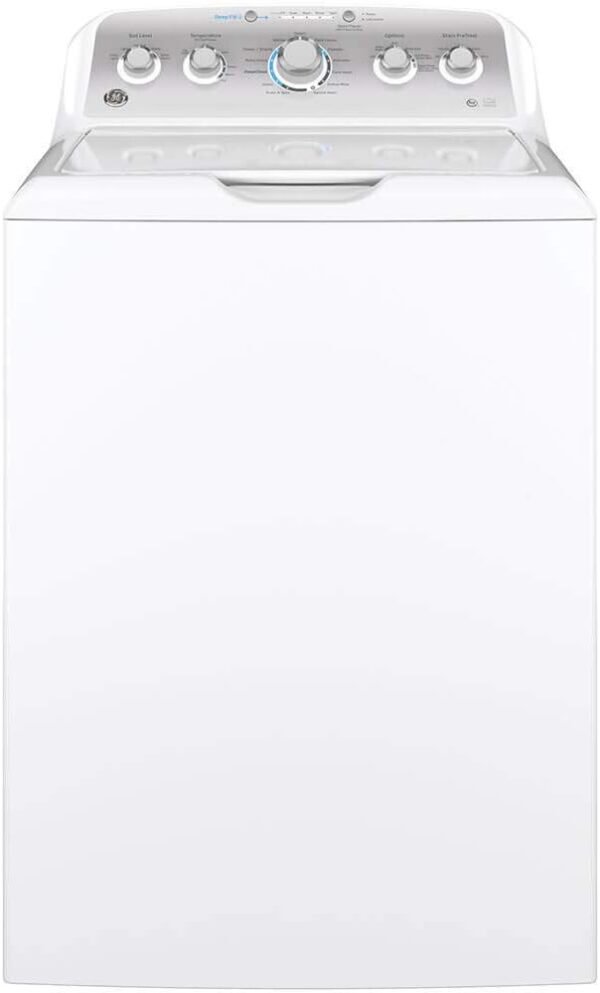
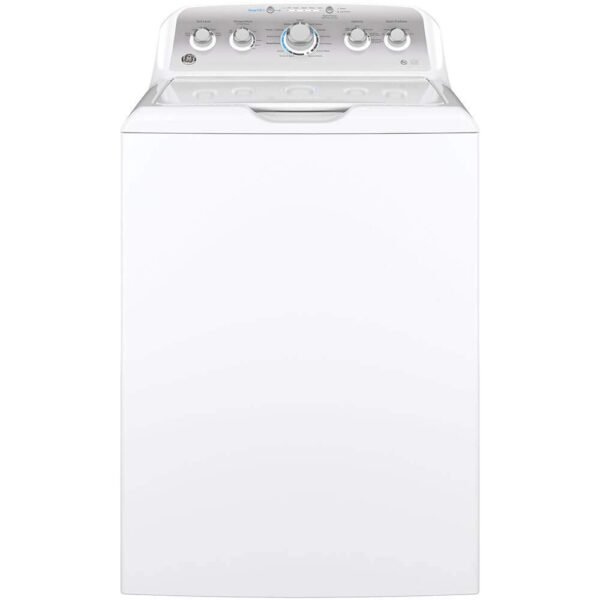


Description
Strong Points of the GE GTW500ASNWS Top Loading Washer
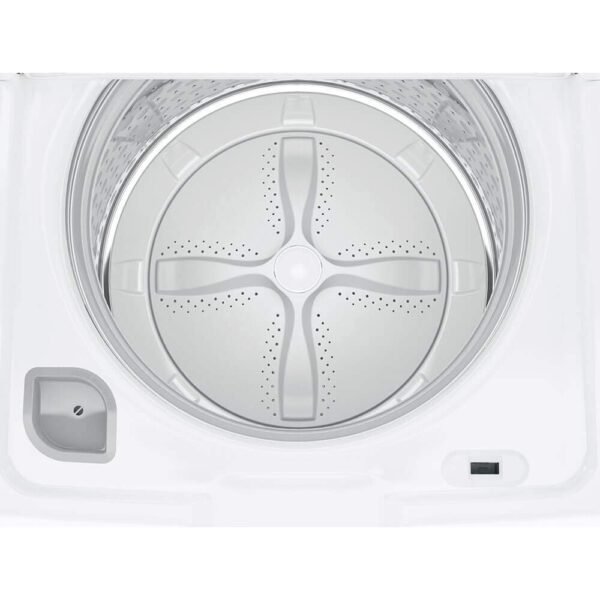
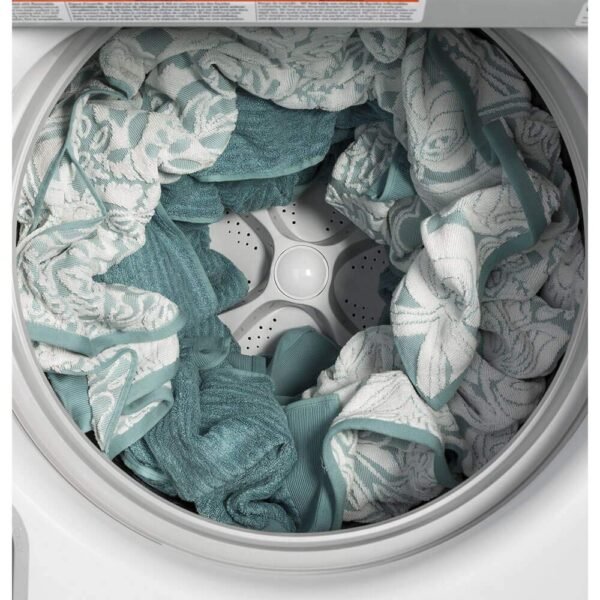
Having spent quite some time using this top loading washer, I can confidently say the stainless steel basket is one of its standout features. Unlike plastic tubs that tend to chip or stain over time, this durable stainless steel tub resists rust and snagging, which means no more worrying about your delicate clothes getting caught or damaged during the wash cycle. The 4.6 cubic feet capacity also impressed me, allowing me to tackle bulky loads like comforters or multiple outfits without cramming everything in. The dual-action agitator truly lives up to its promise, delivering a powerful, reversing wash action that gets clothes cleaner than many other machines I’ve tested. Additionally, the 13 wash cycles offer enough variety to handle everything from baby clothes to heavily soiled items, and the extra rinse option is a blessing for anyone sensitive to detergent residues.
- Stainless steel tub prevents wear and tear on clothing
- Large 4.6 cu. ft. capacity handles big loads comfortably
- Dual-action agitator provides deep, effective cleaning
- Variety of 13 cycles including baby wear and extra rinse
Limitations I Noticed During Use
Even though this washer has several strong points, it’s not without its flaws. The spin speed tops out at 800 RPM, which is decent but not the fastest I’ve encountered. This means clothes might stay a bit wetter than I’d like after the final spin, extending drying time, especially on humid days. The push-button control panel can sometimes feel a little clunky, especially when selecting cycles or adjusting settings, which slows down the process if you’re in a hurry. Also, the machine weighs 147 pounds, making it fairly heavy and less portable than the “portable” tag suggests. Moving it around for any reason requires some muscle or professional help. Lastly, the white exterior while clean-looking, is prone to showing smudges and dirt, so maintenance to keep it pristine is necessary.
- Spin speed could be faster for better water extraction
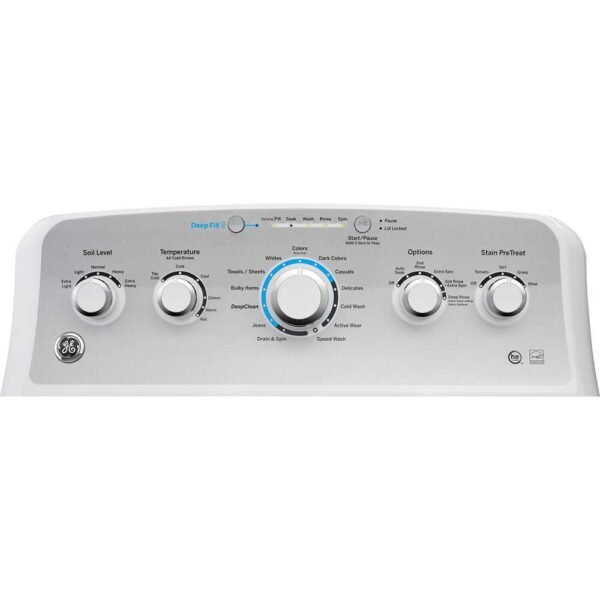
- Control panel feels less intuitive and a bit slow to navigate
- Heavy weight limits portability despite the “portable” feature
- White finish requires frequent cleaning to maintain appearance
Deep Cleaning and Cycle Customization
One feature that genuinely caught my attention is the Deep Fill option. This setting lets you add extra water to your laundry, which is perfect for stubborn stains or heavily soiled clothes. I tested this with some grass-stained kids’ clothes and noticed a marked improvement in the cleaning results. Coupled with the Deep Clean cycle, this washer claims to deliver 67% more cleaning power than standard cycles, and I must admit, the difference was noticeable. The Speed Wash cycle is another handy feature, especially when I’m rushing and need a quick refresh for lightly worn clothes. The baby wear cycle was a thoughtful inclusion too, offering gentler agitation and extra rinsing for sensitive skin, which I appreciated as a parent.
Design and User Experience
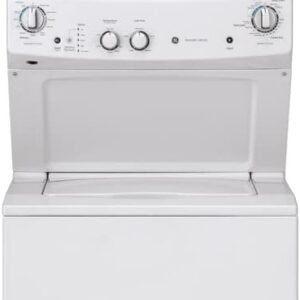
The top load design is a classic that I personally prefer over front loaders for ease of use, especially when loading bulky items. The 27-inch by 27-inch footprint fits nicely into my laundry space without feeling cramped, and the 44-inch height makes bending down less of a chore. The dual-action agitator is loud but effective; it’s not whisper-quiet but doesn’t sound like a jet engine either. I found the control console’s push-button setup straightforward once you get used to it, though a digital display would have been a welcome upgrade. The white color and overall build quality give it a clean, functional look, but I wonder if a darker finish might have been better at hiding smudges and fingerprints.
Competing Brands and Similar Models
I compared this washer with some other popular top load washers in the same price bracket, like models from Whirlpool and Samsung. The stainless steel tub on this one definitely edges out many Whirlpool models that still use plastic tubs, which is a big plus for durability and maintenance. Samsung’s machines often feature faster spin speeds and more modern digital interfaces, but they sometimes fall short on capacity compared to this one’s large 4.6 cu. ft. drum. While this washer lacks some high-tech bells and whistles seen in competitors, such as smart app controls or steam cleaning, it delivers solid, reliable performance. For folks who value straightforward operation and powerful cleaning over flashy features, this model holds its ground well.
Price to Quality Ratio
Assessing the price performance of this washer, I found that it offers reasonable value for the money spent. It doesn’t break the bank but delivers enough features — from multiple wash cycles to extra rinse options — to justify the investment. Given the durable stainless steel tub and large capacity, I feel this machine provides affordable quality for households needing a reliable, no-nonsense washer. The lack of some modern conveniences might make it less appealing for tech-savvy users, but if the goal is to get clean clothes with minimal fuss, this is a solid choice that offers good bang for the buck.
Practical Considerations for Everyday Use
Using this washer in a busy household setting, I noticed it handles everyday laundry challenges well. The deep fill and dual-action agitator make a difference for tough stains, and the extra rinse option was a hit with my family members who have sensitive skin. However, the machine’s size and weight mean you need to plan your laundry space accordingly — it’s not something you’ll want to move around frequently. Also, the cycle times can be on the longer side, especially for deep clean settings, so patience is required. The no battery requirement for operation was a relief, keeping things simple without worrying about power backups.
Bad Points Worth Mentioning
- Cycle times tend to be longer, especially on intensive settings
- Machine noise can be a bit loud during agitation
- No smart or Wi-Fi connectivity for remote control
- Extra water usage on deep fill might concern eco-conscious users
Using this top load washer has been an overall positive experience, but like any appliance, it comes with trade-offs depending on your priorities. The stainless steel basket and cleaning power make it a reliable workhorse, while some design and convenience aspects could see improvement. It’s a practical choice for those who appreciate solid performance without needing the latest tech gadgets.